
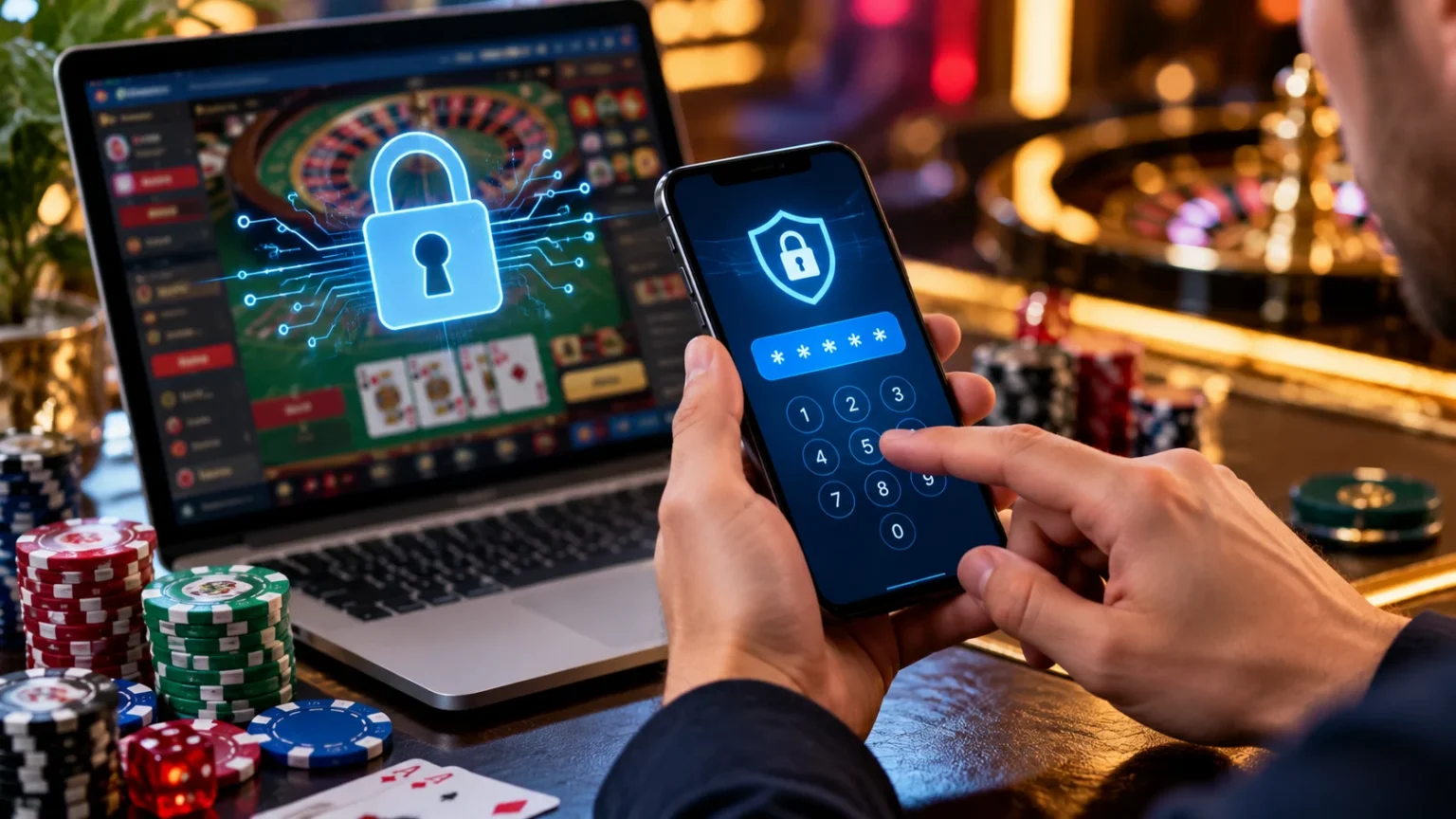
Online account security has become increasingly important as cybercriminals develop new methods to steal passwords and personal information. Accounts associated with financial transactions, including gambling platforms, can contain sensitive information that requires protection. Two-factor authentication, commonly called 2FA, provides an additional security barrier beyond a traditional password. Understanding this technology helps consumers recognize the importance of stronger account protection.
A password alone may not always prevent unauthorized access, particularly when credentials have been exposed through data breaches or phishing attacks. Cybercriminals sometimes use stolen login information to access accounts without the owner’s permission. Two-factor authentication reduces this risk by requiring another form of identity verification. This additional safeguard can help protect personal information and prevent certain types of account compromise.
Although two-factor authentication is valuable, it is not a complete solution to every cybersecurity threat. Users must also understand phishing, password security, fraudulent communications, and account recovery risks. These principles apply to financial services, email platforms, shopping websites, and other sensitive online accounts. This guide explains why two-factor authentication matters for casino account security and the broader role it plays in protecting digital identities.
What Is Two-Factor Authentication?
Two-factor authentication is a security method that requires two different categories of evidence to verify a person’s identity. It typically combines something the user knows, such as a password, with something they possess or something inherent to them. Examples of possession factors include security keys and registered authentication devices. This approach provides stronger protection than relying exclusively on passwords.
Traditional password-based authentication uses only one factor to control account access. If someone obtains the correct password, they may be able to access the associated information. Two-factor authentication adds a separate verification requirement, making stolen credentials less useful on their own. However, the level of protection depends on the authentication method and how securely it is implemented.
The concept is widely used by banks, email providers, healthcare platforms, and other organizations handling sensitive data. Its purpose is to reduce the likelihood that unauthorized individuals can impersonate legitimate account holders. Two-factor authentication is one part of a broader cybersecurity strategy. Strong passwords, secure devices, and awareness of scams remain important even when additional verification is available.
Why Casino Accounts Can Attract Cybercriminals
Accounts associated with online financial transactions may attract cybercriminals because they can contain personal details and payment-related information. Depending on the service, account records may include contact information, transaction histories, and identity verification documents. Unauthorized access can therefore create consequences beyond the loss of a password. Protecting sensitive information requires security measures that address several possible threats.
Attackers may attempt to exploit passwords reused across multiple websites. When credentials are exposed in an unrelated data breach, criminals sometimes test them against other online services. This technique, called credential stuffing, can affect many types of accounts. Using different passwords for different services reduces the usefulness of stolen credentials.
Phishing is another concern because attackers may imitate legitimate organizations to obtain confidential information. Fraudulent messages can create urgency by claiming that an account has been locked or requires immediate verification. These tactics may persuade individuals to reveal passwords or other sensitive details. Understanding common warning signs helps consumers recognize suspicious activity before their personal information is compromised.
How Two-Factor Authentication Helps Prevent Unauthorized Access
The main benefit of two-factor authentication is the additional verification barrier it introduces. When a service properly requires an independent second factor, knowing the password alone is insufficient to authenticate. This reduces the impact of certain password theft incidents. It can be particularly valuable for accounts containing private communications, financial information, or sensitive personal records.
Two-factor authentication may also help limit damage caused by password reuse. Even when credentials are exposed through another service, an attacker may still lack the additional factor required for access. However, this protection is not absolute. Phishing attacks, compromised devices, and weaknesses in account recovery procedures can sometimes undermine additional authentication safeguards.
Different authentication methods provide different levels of resistance to cyberattacks. Security keys and appropriately implemented passkeys offer stronger phishing resistance than many traditional one-time-code methods. SMS verification can still provide an additional barrier, although it has limitations. Understanding these differences is important when evaluating the security claims made by online platforms.
The Role of Two-Factor Authentication in Protecting Personal Information
Personal information has significant value because it can be misused for identity theft, fraud, and unauthorized account activity. Sensitive online services may store names, contact details, identification records, or payment-related data. If attackers gain access, the consequences can extend beyond a single website. Protecting account access is therefore an important part of maintaining digital privacy.
Two-factor authentication helps reduce the chance that a stolen password will provide immediate access to private records. This protection becomes particularly relevant when criminals obtain credentials through phishing or previously compromised databases. However, additional authentication cannot prevent every data breach. Information may still be exposed through vulnerabilities in the service provider’s own systems.
Consumers should understand that security involves both individual precautions and organizational responsibilities. Companies need appropriate encryption, access controls, monitoring systems, and data protection practices. Individuals benefit from recognizing suspicious communications and protecting their authentication credentials. A strong security framework combines these measures rather than treating two-factor authentication as a complete guarantee.
Common Cybersecurity Threats Affecting Sensitive Online Accounts
Phishing remains one of the most common threats to online account security. Attackers may send deceptive emails or messages that appear to come from trusted organizations. These communications often ask recipients to reveal passwords, verification codes, or personal details. Some phishing websites closely resemble legitimate login pages, making them difficult to distinguish without careful attention.
Malware is another cybersecurity concern because malicious software can collect information from infected devices. Certain threats attempt to capture passwords, monitor activity, or interfere with authentication processes. Keeping devices updated and avoiding suspicious downloads can reduce exposure. Reliable security software may also help identify particular threats, although no protective tool detects every malicious program.
Social engineering attacks rely on manipulating people rather than directly exploiting technical vulnerabilities. Criminals may impersonate customer support representatives or create false emergencies to obtain confidential information. They may also attempt to take control of phone numbers or recovery channels. Recognizing these tactics is essential because even strong authentication systems can be undermined when users are deceived.
Understanding Different Types of Authentication Factors
Authentication factors are generally divided into categories based on the evidence used to establish identity. Knowledge factors include passwords and personal identification numbers. Possession factors include registered devices and physical security keys. Inherence factors involve biometric characteristics such as fingerprints or facial recognition, which are typically checked through a device’s security system.
Two-factor authentication requires evidence from two different categories rather than simply requesting two passwords. For example, combining a password with a physical security key represents two distinct factors. Using two separate passwords does not provide the same protection. This distinction is important because the security benefit comes from reducing dependence on a single type of credential.
Not all authentication systems provide equivalent security, even when they use two factors. Some are vulnerable to phishing or interception, while others rely on stronger cryptographic verification. Passkeys can provide phishing-resistant authentication without requiring a traditional password. Consumers benefit from understanding that the quality of an authentication system matters as much as the number of verification steps.
Why Passwords Alone Are Not Enough
Passwords remain an essential part of many authentication systems, but they have several weaknesses. People sometimes choose predictable credentials or reuse the same password across different websites. This creates opportunities for attackers who obtain login details through breaches or deception. Even complicated passwords can become vulnerable if they are disclosed to an unauthorized person.
A long, unique password is generally more effective than a short and easily guessed one. Password managers can help generate and store strong credentials without requiring users to memorize every password. These tools reduce the temptation to reuse familiar combinations. Nevertheless, protecting access to the password manager itself remains important because it can contain credentials for numerous services.
Additional authentication provides protection when the secrecy of a password has been compromised. It can prevent some unauthorized login attempts even when the attacker knows the correct credentials. However, users should not interpret this as permission to neglect password security. A strong password and a secure second factor serve complementary purposes within a well-designed authentication system.
Recognizing Phishing Attempts That Target Authentication
Cybercriminals sometimes design phishing attacks specifically to defeat additional authentication measures. A fraudulent message might request a verification code while pretending to represent a legitimate service. Other attacks attempt to direct people toward imitation websites. These tactics demonstrate why authentication technology must be supported by awareness and careful decision-making.
Unexpected requests for confidential information should be treated cautiously, particularly when they involve urgent deadlines or threatening language. Legitimate security notifications can sometimes resemble fraudulent messages, so appearance alone is not reliable evidence. Verification codes and recovery credentials are sensitive information. Sharing them with an unverified person can compromise account security.
Phishing-resistant technologies can reduce reliance on users recognizing every deceptive message. Properly implemented security keys and passkeys are designed to authenticate against the intended service rather than an imitation website. This provides protection against certain credential-stealing attacks. Even so, device security and responsible account recovery procedures remain essential components of digital safety.
Why Account Recovery Security Matters
Account recovery procedures are designed to help legitimate users regain access when authentication credentials become unavailable. However, poorly protected recovery systems can create weaknesses that attackers attempt to exploit. If recovery depends on an easily compromised email account or phone number, additional verification may offer less protection than expected. Secure recovery design is therefore essential.
Email accounts deserve particular attention because they frequently serve as recovery channels for other services. Unauthorized access to a primary email address can affect multiple connected accounts. Protecting email with strong authentication and unique credentials helps reduce this risk. Recovery information should also be kept accurate so legitimate access problems can be resolved appropriately.
Organizations must balance account accessibility with effective identity verification. Recovery procedures should prevent impersonation without placing unreasonable burdens on legitimate users. Clear security notifications and appropriate checks can help detect suspicious recovery attempts. Consumers benefit from understanding that authentication and recovery are connected parts of the same overall security framework.
How Businesses Benefit From Stronger Authentication Security
Businesses that store sensitive customer information have responsibilities extending beyond protecting individual passwords. Unauthorized account access may lead to privacy incidents, financial disputes, and customer support problems. Strong authentication policies can reduce certain forms of preventable account compromise. They also demonstrate an organization’s commitment to managing digital security risks.
Two-factor authentication can work alongside monitoring systems that identify unusual login patterns. Organizations may also implement device security controls, fraud detection procedures, and restrictions on sensitive account changes. These measures provide overlapping layers of defense. A layered approach is particularly important because attackers constantly adapt their techniques to exploit weaknesses.
Security education is another valuable part of organizational protection. Customers and employees should understand common phishing tactics and the importance of protecting sensitive credentials. Transparent communication about security incidents can also support informed decision-making. Strong cybersecurity depends on technology, effective policies, and responsible handling of personal information throughout the organization.
Limitations of Two-Factor Authentication
Two-factor authentication significantly improves security in many situations, but it does not eliminate every risk. Attackers may compromise devices, exploit weaknesses in recovery systems, or use sophisticated phishing techniques. Some authentication methods are more vulnerable to these attacks than others. Understanding these limitations prevents users from developing a false sense of complete protection.
SMS-based verification has particular limitations because phone numbers may be targeted through SIM-swapping attacks or other forms of account takeover. One-time codes may also be stolen through phishing. Stronger authentication approaches, including appropriately implemented security keys and passkeys, can resist certain attacks more effectively. The best available protection depends on the service and its security infrastructure.
Authentication also cannot protect information that has already been exposed through a company’s database breach. Nor can it guarantee that a service follows appropriate privacy or data retention practices. Consumers should therefore consider broader security and privacy risks when evaluating online platforms. Additional verification is valuable, but it remains only one component of comprehensive digital protection.
The Importance of Privacy and Responsible Data Handling
Account security and personal privacy are closely connected, but they address different risks. Authentication controls who can access an account, while privacy practices determine how information is collected, stored, shared, and retained. A platform may use strong login protection while still maintaining excessive personal records. Understanding both issues helps consumers evaluate digital services more carefully.
Organizations handling sensitive financial or identity information should follow applicable data protection requirements. Appropriate safeguards may include encryption, access restrictions, security monitoring, and limits on unnecessary information collection. These practices help reduce the consequences of accidental exposure or unauthorized access. Clear privacy policies also allow consumers to understand how their information may be used.
Consumers should remain cautious about providing sensitive details to unfamiliar websites or services. Security claims are not always evidence that a platform follows reliable data protection practices. Independent verification, transparent policies, and responsible business conduct matter. The safest approach to digital privacy involves limiting unnecessary exposure while recognizing that no online system is completely risk-free.
What to Do When an Online Account Is Compromised
Suspected account compromise requires prompt attention because unauthorized access may expose sensitive information. Unexpected security alerts, unfamiliar transactions, and changes to account details can indicate potential problems. However, some alerts may themselves be fraudulent. Confirming information through legitimate support channels is important before responding to suspicious communications.
For sensitive accounts, legitimate security providers commonly recommend securing associated email access and reviewing potentially exposed credentials. Where financial information is involved, contacting the relevant financial institution can help address unauthorized activity. The appropriate response depends on the service and the information affected. Official cybersecurity support may also be useful when identity theft is suspected.
Preserving relevant notifications and transaction records can support later investigations or disputes. Individuals should avoid sharing additional personal details with anyone claiming they can immediately reverse an unauthorized transaction. Fraudsters sometimes target victims again by offering false recovery services. Recognizing secondary scams is an important part of limiting the consequences of an account security incident.
Why Cybersecurity Awareness Is More Important Than Ever
Digital services increasingly handle personal communications, financial information, identification records, and other sensitive data. This creates opportunities for convenience but also exposes consumers to changing cybersecurity threats. Attackers use both technical methods and social manipulation to obtain unauthorized access. Understanding basic security principles helps individuals make informed decisions about their online activities.
Cybersecurity awareness includes recognizing suspicious messages, understanding authentication methods, and knowing the limitations of common security tools. It also involves evaluating how organizations handle private information. These skills are useful across email services, financial platforms, educational accounts, and online shopping websites. Protecting digital identity is a responsibility shared between individuals and service providers.
As authentication technology develops, stronger approaches such as passkeys may become more widely available. Improvements in security design can reduce dependence on passwords and make certain phishing attacks less effective. However, no technological advancement completely removes the need for caution. Staying informed about common threats remains one of the most practical ways to protect sensitive information.
Conclusion
Two-factor authentication matters for casino account security because financial and identity-related information can attract unauthorized access attempts. Requiring more than a password creates an additional barrier against certain cybersecurity threats. This protection is especially valuable when credentials have been exposed or reused. However, authentication strength varies, and no method can eliminate every security risk.
Strong account protection involves more than simply adding an extra verification requirement. Unique passwords, phishing awareness, secure recovery procedures, and responsible data handling all play important roles. Organizations must also maintain effective cybersecurity controls to protect customer information. Combining these approaches provides more comprehensive protection than relying on any single security feature.
Understanding two-factor authentication helps consumers recognize both its advantages and its limitations. Stronger login security can reduce the likelihood of some account compromises, but it cannot guarantee complete safety. Personal information deserves careful protection across every digital platform. Security awareness and responsible online behavior remain essential for reducing exposure to fraud and identity theft.
Frequently Asked Questions
Why is two-factor authentication important for casino accounts?
Two-factor authentication adds an independent verification barrier that can reduce unauthorized access when a password is stolen. It helps protect sensitive account information, although it cannot prevent every form of fraud or cybersecurity attack.
Can hackers bypass two-factor authentication?
Yes, some attackers use phishing, device compromise, or weaknesses in recovery procedures to bypass certain authentication methods. Phishing-resistant technologies provide stronger protection, but no authentication system guarantees complete security.
Is two-factor authentication safer than a password alone?
Generally, yes. Properly implemented two-factor authentication requires additional evidence of identity beyond a password, making many unauthorized login attempts more difficult. Its effectiveness depends on the verification method and overall security design.
What is the difference between 2FA and MFA?
Two-factor authentication requires two distinct authentication factors. Multifactor authentication refers more broadly to systems using two or more factors. Both approaches aim to strengthen identity verification and reduce dependence on passwords alone.
Does two-factor authentication protect against phishing?
Some authentication methods offer better phishing resistance than others. Security keys and properly implemented passkeys can resist certain imitation-website attacks, while one-time verification codes may still be stolen through deceptive messages.