
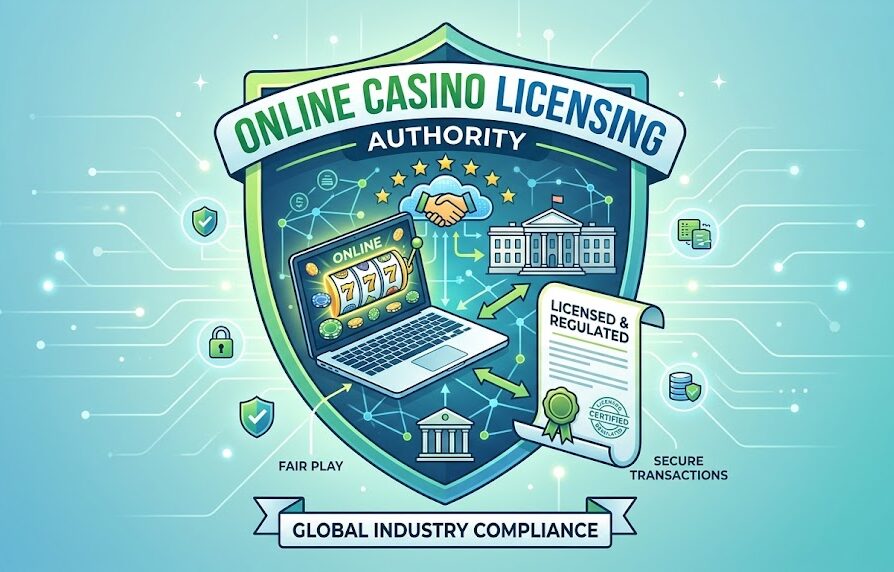
Online casino licensing is a critical aspect of the gaming industry, designed to ensure that casinos operate within a legal framework. Licensing provides a signal of legitimacy to players, ensuring that the platforms they engage with adhere to established regulations and standards. Regulatory bodies are tasked with the responsibility of overseeing online casinos, ensuring they comply with specific requirements designed to protect players and maintain fair gaming practices.
Different jurisdictions have varying regulatory bodies that issue licenses to online casinos. For instance, entities like the United Kingdom Gambling Commission (UKGC), the Malta Gaming Authority (MGA), and the Kahnawake Gaming Commission have specific sets of rules and stringent criteria that casinos must meet to obtain and maintain their licenses. These requirements can include proof of financial stability, ensuring games are fair and random, and implementing responsible gaming practices to support player safety.
Furthermore, licensing is essential for promoting transparency and accountability within the gaming industry. Licensed casinos are regularly audited and monitored by their respective regulatory agencies, ensuring compliance with legal standards. This oversight helps to protect players from unfair practices, fraud, or exploitation. Players can verify a casino’s license through its website, where it will typically display its licensing information. This level of transparency instills confidence among players and enhances the overall reputation of the online gambling environment.
Ultimately, licensing serves as a foundation for safe online gambling. It provides players with crucial protections while encouraging casinos to operate ethically. Understanding the nuances of online casino licensing is vital for gamers seeking a trustworthy and secure gambling experience, emphasizing the need for regulatory compliance and responsible betting practices.
Key Regulatory Bodies in Online Gambling
Online gambling is subject to strict oversight, and several regulatory bodies play critical roles in ensuring that online casinos operate within legal frameworks and adhere to high standards of fairness and security. Among the most recognized are the UK Gambling Commission (UKGC), the Malta Gaming Authority (MGA), and the New Jersey Division of Gaming Enforcement (NJDGE). Each of these entities enforces regulations designed to protect players and ensure the integrity of the gambling process.
The UK Gambling Commission is one of the most prominent authorities in the industry. Established under the Gambling Act 2005, the UKGC regulates all forms of gambling in the United Kingdom, including online casinos. This body is responsible for licensing operators, monitoring compliance with laws, and intervening when necessary to protect consumers. The UKGC ensures that gambling remains fair and crime-free by imposing strict standards for player protection, responsible gambling initiatives, and transparency in operations.
Similarly, the Malta Gaming Authority has gained considerable respect in the international online gambling arena. As the regulatory authority for the gambling industry in Malta, the MGA oversees licensing and regulates all gaming activities, including online casinos. The authority ensures that operators comply with stringent requirements such as player fund protection, anti-money laundering standards, and fair gaming practices. Malta has become a hub for online gaming operations primarily due to its favorable regulatory environment that maintains high integrity at the global level.
In New Jersey, the Division of Gaming Enforcement is tasked with regulating both online and land-based gambling activities. Established to ensure a secure and fair gaming environment, the NJDGE enforces state laws and regulations related to internet gaming. This organization regularly audits online casinos, ensuring all games are fair and that operators adhere to responsible gambling practices.
Engaging with regulated online casinos offers numerous benefits that enhance the overall gaming experience for players. One of the most significant advantages is the robust consumer protection provided by licensing authorities. These regulatory bodies ensure that online casinos operate transparently, following strict guidelines that prioritize player safety. This means players can trust that their personal and financial information is secure, which is paramount in today’s digital landscape.
Fair play is another essential aspect of licensed online casinos. Regulatory agencies enforce audits and ensure that games are fair, which means players can enjoy a level playing field without the fear of manipulation or rigged outcomes. This commitment to fair gaming fosters an environment where players can confidently engage with various games, from slots to table games, knowing that they are competing based on skill and luck rather than against unfair odds.
Moreover, regulated online casinos prioritize the integrity of financial transactions. Players can deposit and withdraw funds safely through trusted and secure payment methods. This protection against fraud is critical, as it builds trust between the player and the casino, encouraging responsible banking practices. Players can focus on enjoying their experience without the anxiety related to potential financial risks.
Regulated casinos also offer access to responsible gambling measures, including tools that help players manage their gambling habits. These features may include deposit limits, self-exclusion options, and links to support organizations for gambling addiction. Such measures reinforce the importance of maintaining a healthy relationship with gaming, allowing players to enjoy their hobbies responsibly.
In summary, the benefits of playing at regulated online casinos encompass consumer protection, fair play, secure transactions, and responsible gambling measures. These elements combined provide peace of mind for players, allowing them to immerse themselves in the gaming experience with trust and confidence.
How to Identify Safe Online Casinos
Identifying a safe online casino requires attention to detail and a systematic approach to evaluation. One of the primary steps is to check for licensing information. A legitimate online casino should be licensed by a recognized regulatory authority, such as the UK Gambling Commission or the Malta Gaming Authority. This information is usually found at the bottom of the casino’s homepage. If the site lacks this information or the licensing details are suspicious, it is advisable to avoid that casino.
Reading player reviews and expert opinions is another crucial method for assessing an online casino’s safety. Numerous forums and review sites provide insights into the experiences of other players. Positive reviews often reflect reliability in payment processing, customer service excellence, and fair gaming practices. Conversely, recurrent complaints regarding delayed payments or unfair terms may signal a problematic casino. Therefore, engaging with a variety of reviews will give a broader view of the casino’s reputation.
Additionally, understanding the terms and conditions of a casino can unveil significant information. A transparent casino will clearly outline its rules, including wagering requirements, withdrawal policies, and bonus terms. Pay close attention to excessive restrictions or unclear language, as these might indicate that the casino does not prioritize player rights.
Finally, recognizing signs of legitimate operations is essential. Safe online casinos usually offer multiple secure payment options, including well-known e-wallets and credit cards. Furthermore, a professional interface, responsive customer support, and security measures such as SSL encryption also signify trustworthiness. By employing these guidelines, players can confidently navigate the online casino landscape and choose a safe platform for their gaming activities.