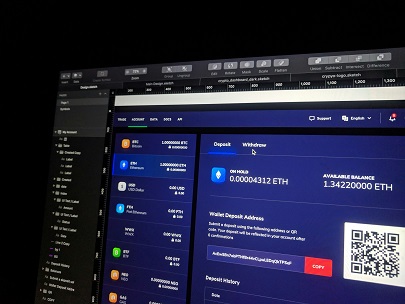
Introduction to Cryptocurrency in Online Gambling
Cryptocurrency has emerged as a revolutionary form of digital currency, leveraging blockchain technology to offer secure, decentralised transactions. Its ascent in popularity is not confined to traditional finance but has significantly impacted the online gambling industry. As online casinos continuously seek innovative solutions to enhance user experiences, the adoption of cryptocurrencies has been a notable trend. Online gambling platforms are increasingly integrating digital currencies into their payment systems, appealing to a demographic that prioritises security and anonymity. Cryptocurrencies such as Bitcoin, Ethereum, and Litecoin have become household names, offering players a seamless alternative to traditional banking methods. The adoption of these currencies facilitates quicker transactions, significantly reducing wait times for deposits and withdrawals.
One of the most compelling advantages of using cryptocurrencies in online casinos is the level of security they provide. Traditional payment methods can expose users to identity theft and fraud. However, transactions made with cryptocurrencies are encrypted and processed through decentralised networks, making it far more challenging for malicious actors to intercept or manipulate funds. Furthermore, the inherent anonymity associated with cryptocurrency transactions allows players to engage in online gambling with greater privacy, a feature that is often restricted when using standard financial instruments.
The speed of cryptocurrency transactions also contributes to their growing significance within the gambling industry. Unlike conventional banking systems, which can involve multiple intermediaries and lengthy processing times, cryptocurrency transactions are executed almost instantaneously. This efficiency is particularly appealing to players who wish to deposit or withdraw funds without unnecessary delays.
In conclusion, the integration of cryptocurrencies into online casinos marks a significant development in the gambling landscape. As players increasingly gravitate towards secure, fast, and anonymous payment methods, the role of cryptocurrencies is expected to expand further, shaping the future of online gambling.
Advantages of Using Cryptocurrency for Online Casino Payments
Cryptocurrency has carved a niche in the online gambling industry, particularly in the realm of transactions at online casinos. One of the most prominent advantages is the significantly lower transaction fees compared to traditional payment methods. When wagering with fiat currency, players frequently encounter hefty fees charged by banks and payment processors. In contrast, cryptocurrency transactions typically incur minimal fees, benefiting both players and casinos.
Moreover, the speed of transactions using cryptocurrencies is noteworthy. Traditional methods can take several days for deposits and withdrawals to process, creating frustration for players eager to start gaming or cash out their winnings. Cryptocurrency transactions are often completed within minutes, allowing users to enjoy a seamless and efficient gaming experience.
In addition to cost and speed, the enhanced security provided by blockchain technology is a significant advantage for users of cryptocurrency in online casinos. Blockchain’s decentralized nature ensures that transactions are recorded securely and transparently, reducing the risks of fraud or chargebacks typically associated with credit card and bank transactions. Players can have greater confidence that their financial data remains safe from potential breaches.
Another compelling aspect of using cryptocurrency is the anonymity it offers. Many online casino players value their privacy and prefer to shield their identities from third parties. Cryptocurrencies allow players to make transactions without revealing personal information, which is often necessary when using traditional banking options. This level of anonymity appeals to those who are particularly cautious about their financial information.
Ultimately, the advantages of using cryptocurrency for payments in online casinos are manifold, offering lower fees, faster transaction times, improved security, and enhanced privacy, which continue to attract a growing number of players to this revolutionary payment method.
Popular Cryptocurrencies Used in Online Casinos
In the world of online casinos, the adoption of cryptocurrencies has gained momentum, presenting an alternative to traditional payment methods. Among the various digital currencies, a few stand out for their popularity and utility in gaming transactions. Key players in this space include Bitcoin, Ethereum, and Litecoin, each offering unique advantages that enhance the gambling experience for users.
Bitcoin, being the first and most widely recognized cryptocurrency, holds a significant position in online gambling. Its decentralization guarantees a high level of security and anonymity for players, making it an attractive option. Furthermore, Bitcoin transactions are processed quickly, enabling players to deposit and withdraw funds without lengthy verification delays. This swift processing time allows for a more efficient gaming experience, a feature highly valued by online casino enthusiasts.
Ethereum is another popular cryptocurrency in online casinos, distinguished by its smart contract functionality. This capability allows developers to create decentralized applications (DApps), which can enhance the gambling experience by introducing innovative games and bet mechanisms. Ethereum’s blockchain also provides players with transparency in gaming, ensuring fair play. Additionally, Ethereum transactions often have lower fees compared to traditional payment processors, attracting more players to casinos that accept this cryptocurrency.
Litecoin is recognized for its speed and efficiency in processing transactions. With confirmation times significantly lower than Bitcoin, players can enjoy faster deposits and withdrawals, which enhances their overall enjoyment in online gaming. Its strong community support and wide acceptance contribute to its popularity among gamblers seeking reliable cryptocurrency options.
In summary, Bitcoin, Ethereum, and Litecoin represent the most commonly accepted cryptocurrencies in online casinos. Their unique benefits not only facilitate easy and secure transactions but also contribute to a more enjoyable overall gambling experience for players. As cryptocurrencies continue to evolve, their role in the online casino industry is expected to grow, appealing to a broader audience of gamers worldwide.
How to Make Cryptocurrency Deposits and Withdrawals in Online Casinos
Engaging with online casinos has become increasingly easier with the introduction of cryptocurrency as a payment method. This guide provides a comprehensive step-by-step process for players to successfully deposit and withdraw funds using cryptocurrencies.
Firstly, players must begin by setting up a cryptocurrency wallet. This wallet is essential for storing, sending, and receiving digital currency. Many options are available, including software wallets, mobile wallets, and hardware wallets, each offering varying levels of security and convenience. It is advisable to choose a wallet that is highly reputable and matches the player’s needs. Once set up, users should also buy some cryptocurrency through exchanges where they can convert fiat currency into digital assets.
With the cryptocurrency wallet established, players can proceed to deposit funds into their online casino account. To initiate this process, players should log into their chosen casino and navigate to the cashier or deposit section. There, they will typically find an option labeled “Cryptocurrency Deposit” or a similar phrase. After selecting this, players will be provided with a unique wallet address specific to their casino account. It is crucial to copy this address accurately, as sending funds to an incorrect address can result in the permanent loss of those assets.
Next, using their wallet application, players should choose the cryptocurrency they wish to send, enter the casino’s wallet address, and specify the amount to deposit. It is important to keep in mind any transfer fees that may apply. Upon confirming the transaction, players should see their funds appear in their casino account within a short window, depending on the cryptocurrency and network congestion.
When it comes to withdrawals, the process is quite similar. Players will need to visit the withdrawal section, input their wallet address, and specify the amount they wish to withdraw. Ensuring that the wallet address is accurate and active is key to receiving funds without issue.
By following these outlined steps, players can effectively engage in cryptocurrency transactions within online casinos, ensuring a smooth experience while enjoying the advantages of digital currency.
Challenges and Risks of Cryptocurrency Payments in Online Casinos
As the popularity of cryptocurrencies continues to rise within the online gambling sector, several inherent challenges and risks associated with their use must be acknowledged. One of the primary concerns is the inherent price volatility of cryptocurrencies such as Bitcoin, Ethereum, and others. The value of these digital currencies can fluctuate significantly within short periods, potentially impacting both casino operators and players. For instance, a player may deposit a certain amount of cryptocurrency, only for its value to plummet before the conclusion of a gaming session. This volatility can lead to unexpected losses or gains, which may deter users not familiar with such dynamic financial environments.
Another critical issue involves regulatory concerns. The regulatory framework governing cryptocurrencies varies significantly across different jurisdictions. Some regions have embraced digital currencies and established comprehensive regulations, while others remain uncertain or are outright hostile to their use. Online casinos that accept cryptocurrencies may face challenges in ensuring compliance with local laws, leading to the risk of fines or shutdowns. Furthermore, players utilizing cryptocurrency may find themselves exposed to legal uncertainties depending on their geographical location, complicating their ability to seek recourse in case of disputes.
Security breaches represent another significant risk associated with cryptocurrency payments in online casinos. Despite the decentralized nature of blockchain technology, online platforms may become susceptible to hacking attempts and cyber-attacks. If an online casino’s security measures are inadequate, players could face the potential loss of their funds. The recovery of funds lost due to fraudulent activities or theft can be especially challenging in the cryptocurrency realm, as transactions are often irreversible. Accordingly, players are urged to exercise caution and select reputable online casinos that have established a robust security framework to protect user data and assets.
Legal Status of Cryptocurrency Gambling Worldwide
The legal landscape surrounding cryptocurrency payments in online casinos is complex and varies significantly across different countries. In some regions, cryptocurrency gambling is fully legal and regulated, while in others, it operates in a gray market or is outright banned. This discrepancy largely stems from differing national attitudes towards cryptocurrencies and online gambling regulations.
In countries like Malta, the United Kingdom, and Estonia, cryptocurrency transactions in online casinos are legally recognized and regulated. These jurisdictions have established clear frameworks for the operation of online gambling platforms that accept cryptocurrencies, thus providing a level of security for both operators and players. Regulations typically ensure that online casinos comply with anti-money laundering (AML) laws and know your customer (KYC) protocols, which enhance the legitimacy of cryptocurrency gambling.
Conversely, certain nations have adopted more restrictive approaches. For example, in countries such as China and India, the legal status of cryptocurrencies remains ambiguous, with regulators either enforcing strict bans or implementing prohibitive measures against their use in gambling. In these regions, online casinos that accept cryptocurrencies may operate in a legal gray area, leaving players vulnerable to potential losses and scams.
Additionally, in jurisdictions like the United States, legal interpretations can differ at the state level, leading to varying regulations regarding cryptocurrency gambling. While states like New Jersey and Pennsylvania have embraced online gambling, others, including Utah and Hawaii, have strict prohibitions against gambling in any form, complicating the rollout of cryptocurrency payments in these areas.
As the global regulatory landscape continues to evolve, the future of cryptocurrency payments in online casinos will likely depend on advancements in legal clarity and regulatory frameworks. Keeping abreast of these developments is crucial for stakeholders within the industry as well as players engaging in cryptocurrency gambling.
Trends Shaping the Future of Cryptocurrency in Online Gambling
The integration of cryptocurrency payments into online casinos signifies a transformative chapter in the gambling industry. One cannot ignore the technological advancements guiding this evolution, particularly the incorporation of blockchain technology. This innovation not only enhances security but also offers transparency in transactions, which is paramount in fostering trust among online players. With cryptocurrencies such as Bitcoin and Ethereum becoming more mainstream, casinos are increasingly adopting these payment options to attract tech-savvy gamblers.
Another significant trend is the emergence of decentralized finance (DeFi) platforms, which facilitate peer-to-peer gaming experiences without the necessity of a central authority. Such platforms empower players, allowing them greater control and access to diverse gaming options. This shift toward decentralized models may reshape traditional online gambling by promoting autonomy and privacy, a factor highly valued by cryptocurrency users.
Moreover, regulatory frameworks are evolving continuously, adapting to the burgeoning popularity of cryptocurrencies in gaming. Various jurisdictions are recognizing the potential of cryptocurrency payments, leading to a regulatory environment that could encourage more casinos to adopt these transactions. Keeping compliance with evolving regulations while enhancing user experience is vital for the future of cryptocurrency in online gambling.
Equally important is the shifting preference among players. Many users are now inclined towards using digital currencies due to the associated benefits, including low transaction fees and swift payout times. As this trend solidifies, we can expect an increasing number of platforms to offer exclusive bonuses or promotions for cryptocurrency users, further enticing players to engage in online gambling using digital currencies.
In conclusion, the future of cryptocurrency in online gambling is characterized by technological advancements, evolving regulatory frameworks, and changing player preferences. Together, these elements are poised to create a dynamic and efficient gaming landscape that prioritizes security, transparency, and user autonomy in transactions.
Case Studies of Online Casinos Embracing Cryptocurrency Payments
In recent years, several online casinos have successfully integrated cryptocurrency payment options into their platforms, enhancing the gambling experience for their users. One standout example is BitStarz, an online casino that allows players to deposit and withdraw funds using various cryptocurrencies, including Bitcoin, Ethereum, and Litecoin. This platform has reported increased customer satisfaction due to the fast processing times associated with cryptocurrency transactions. Players appreciate the anonymity and security that come with using digital currencies, which aligns with the growing demand for privacy in online gambling.
Another notable case is mBit Casino, which has embraced cryptocurrency payments extensively since its launch. With a diverse range of supported cryptocurrencies, mBit Casino has positioned itself as a crypto-centric platform. The casino’s strategy involves offering exclusive bonuses and promotions tailored for cryptocurrency users, which boosts user engagement and retention. Customer feedback indicates that players favor the convenience of instant deposits and withdrawals, resulting in a more efficient gaming experience.
Moreover, the integration of cryptocurrency payments has shown a positive impact on revenue generation. Stake Casino, another prominent online betting site, experienced a significant surge in registrations and overall activity after introducing Bitcoin payments. This platform employed a targeted marketing strategy to attract the growing demographic of cryptocurrency enthusiasts and saw a remarkable increase in both player loyalty and spending habits. The adoption of cryptocurrencies has not only provided these casinos with a competitive edge but has also helped them tap into new markets, reaching out to underbanked populations who may be unable to use traditional banking methods.
Overall, these case studies illustrate the effectiveness of embracing cryptocurrency payments in the online casino industry. By meeting the evolving preferences of players, these casinos have managed to enhance their operational efficiency and capitalize on the burgeoning interest in digital currencies.
Conclusion and Outlook on Cryptocurrency Payments in Online Casinos
As explored throughout this blog post, the emergence of cryptocurrency payments in online casinos marks a significant shift in the gaming landscape. The advantages offered by cryptocurrencies, such as enhanced transaction speed, increased anonymity, and lower fees, have gathered considerable attention among players and casino operators alike. Not only do these digital currencies facilitate real-time financial transactions, but they also provide security that traditional payment methods often struggle to match.
The ability of cryptocurrencies to bypass traditional banking regulations further highlights their potential. This aspect allows casinos to attract a more diverse player base, particularly those who may feel underserved by conventional payment options. Moreover, the integration of blockchain technology in payment processing ensures transparency, fostering trust and reliability in online gambling environments.
Looking forward, we can anticipate a gradual but inevitable increase in the adoption of cryptocurrencies within online casinos. As regulations surrounding digital currencies evolve and more players become familiar with blockchain technology, the gaming industry is likely to see an influx of innovative solutions designed to enhance user experience. Future developments may include the integration of smart contracts, which can automate processes, thus improving operational efficiency for casinos.
Moreover, as digital wallets and cryptocurrency exchanges continue to gain mainstream acceptance, players will have more accessible ways to engage with these currencies. The increasing interest from financial institutions in blockchain technology may also pave the way for enhanced regulatory frameworks, likely making cryptocurrency payments more secure and broadly accepted.
In summary, the future of cryptocurrency payments in online casinos presents an exciting frontier for both the gaming industry and its consumers. As this evolution continues, stakeholders must remain adaptable to the changing technological landscape to successfully leverage the full potential of cryptocurrency. The journey ahead promises innovation and opportunities that could redefine the online gaming experience.