
Safe gambling refers to the practice of engaging in gambling activities while implementing measures to minimize risk and ensure a responsible experience. It is essential for players to be fully aware of the potential dangers associated with gambling, as it can have profound implications on both financial stability and mental well-being. By understanding safe gambling practices, individuals can enjoy entertainment without falling victim to the adverse effects.
One of the primary risks of gambling is addiction. Just as with any activity that can evoke strong emotional responses, gambling can become compulsive for some individuals. This compulsion can lead to behaviors that cause significant distress, not only to the actor but also to families and loved ones. Understanding the signs of gambling addiction is crucial for players to effectively safeguard against the escalation of this issue, which can result in significant financial and emotional turmoil.
Financial loss is another critical concern within the realm of gambling. Players must recognize that the odds are often stacked against them, and losing money can quickly become more than just a temporary setback. It is imperative for gamblers to set budgets and adhere to strict financial discipline in order to mitigate this risk. Additionally, creating a gambling budget can help in compartmentalizing funds specifically designated for recreational gaming, thus promoting healthier gambling habits.
The impacts of gambling on mental health cannot be overstated. Many individuals experience anxiety or depression due to gambling-related stresses, including financial strain or guilt from losses. Awareness of one’s emotional state during gambling activities is crucial in establishing a balanced approach to this pastime. By fostering a healthy mindset and maintaining connections with supportive social circles, players can enhance their overall experience and promote sustainable gambling behavior.
Understanding Your Limits
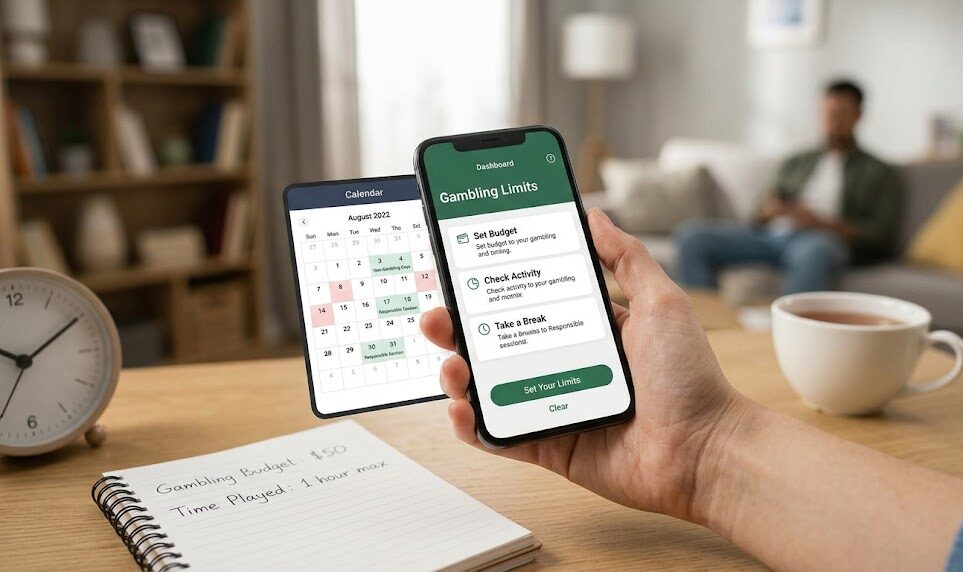
Setting personal limits is an essential practice for anyone engaged in gambling activities. Understanding your own limits in terms of both time and money can help foster a more enjoyable and responsible gaming experience. When entering a gambling environment, it is crucial to evaluate your financial situation, personal preferences, and overall lifestyle before determining what your limits should be.
The first step in establishing these limits is to assess your current financial standing. Consider how much money you can afford to set aside for gambling without impacting your essential expenses, such as rent, bills, or savings. Experts recommend allocating a specific budget for gambling that aligns with your financial goals. This budget should be regarded as an entertainment expense rather than an investment opportunity.
Next, it is essential to determine the amount of time you are willing to dedicate to gambling activities. Time management plays a significant role in responsible gambling, as extended periods can lead to impulsive decisions and decreased attention to personal limits. Setting a timer or creating a schedule can help you remain accountable and ensure that you are not spending more time than intended.
Moreover, regularly reviewing your gambling behavior and monitoring your adherence to the limits you have set is crucial. If you find that you are consistently surpassing your established boundaries, it may be necessary to reassess your approach. Speaking to fellow players or seeking advice from professional support can also provide insights and strategies for better management of your limits.
In conclusion, understanding and setting personal limits on both time and money spent on gambling not only enhances the experience but also promotes a safer environment for all players. By being aware of your circumstances and preferences, you can enjoy gambling responsibly while minimizing risks associated with excessive behavior.
Establishing a Budget
One of the crucial components of responsible gambling is establishing a budget. Players should take the time to determine how much money they can comfortably allocate to gambling activities without impacting their financial stability. This budget should be viewed as an entertainment expense rather than an investment or a means to generate profit. By clearly defining this amount, individuals can help ensure that they engage in gambling activities in a controlled and enjoyable manner.
To create a solid gambling budget, players should first assess their monthly income and expenses. It is essential to set aside necessary funds for essential living costs, such as rent, utilities, food, and other obligations before determining the amount available for leisure activities. Once this is clear, players should consider a reasonable percentage of their disposable income that they are willing to spend on gambling.
It is vital for players to stick to their established budget, as exceeding this limit can lead to financial difficulties and increased stress. Players should set a strict boundary regarding their gambling expenditures, ensuring that they do not dip into savings or other essential funds. To help with adherence to the budget, it may be beneficial for players to use cash instead of credit or debit cards. This method provides a tangible limit, as once the cash is gone, they cannot continue gambling.
Moreover, individuals can benefit from keeping track of their gambling activities and expenditures. Tracking wins and losses can provide insights into gambling habits and reveal whether one is adhering to their set budget. Regularly reviewing this information will help players make informed decisions and adjust their budgets if necessary.
Choosing the Right Games
Choosing the right games is a crucial aspect of responsible gambling that can significantly impact a player’s overall experience. With an extensive array of games available in both online and brick-and-mortar casinos, players must understand the fundamental distinctions between games of skill and games of chance. This knowledge not only enhances the enjoyment of gambling but also aids in making informed decisions that align with individual preferences and risk tolerances.
Games of chance, such as slot machines and roulette, rely primarily on luck and random outcomes. In these instances, players have limited control over the results, and the odds are predominantly defined by the house edge. Understanding that these games are essentially forms of entertainment rather than avenues for guaranteed financial gain can help players set realistic expectations and limits. Engaging in such activities with a mindset focused on fun rather than profit can foster a safer gambling environment.
On the other hand, games of skill, including poker and blackjack, provide a different dynamic. Players have the ability to influence the outcomes through their decisions, strategies, and understanding of the game. Knowledge of rules, probabilities, and psychological tactics can enhance a player’s chances of winning in these games. When players take the time to learn and practice, they not only improve their potential for success but also increase their engagement, leading to a more fulfilling experience.
Ultimately, the choice between games of skill and chance should reflect personal interests and comfort levels. By recognizing the inherent differences and applying this understanding to their gameplay, individuals can ensure a more informed and enjoyable gambling experience. Making wise selections contributes to developing safe gambling habits that prioritize fun, entertainment, and responsibility.
Recognizing Signs of Problem Gambling
As individuals engage in gambling activities, it is important to remain vigilant about the potential for problem gambling. This form of gambling can lead to significant personal challenges, and recognizing the early warning signs can pave the way for timely intervention. Various indicators manifest, encompassing behavioral, emotional, and financial aspects.
Behaviorally, a player may exhibit signs of increasing preoccupation with gambling. This can include frequent thoughts about past gambling experiences or anticipations of future wagers. Additionally, individuals might find themselves gambling for longer periods than initially intended, indicating a potential loss of control over their gambling habits.
Emotionally, shifts in mood can serve as a significant red flag. Players may notice heightened irritability or anxiety when not gambling, and this could indicate an unhealthy dependency. Moreover, feelings of guilt or shame after engaging in gambling activities can point to issues that require consideration. These emotional responses can create a cycle that further entrenches the individual into their gambling behavior.
Financially, there may be obvious warning signs such as escalating bets or spending beyond one’s means. Individuals might start to borrow money or dip into savings to finance their gambling activities. This shift in financial management often leads to increased stress and potential consequences in their personal relationships, housing situation, or overall financial health.
By pinpointing these behavioral, emotional, and financial indicators, players can better evaluate their gambling habits. Taking proactive measures can not only safeguard one’s finances but also promote overall well-being. It is essential to maintain a balanced approach and seek help if any of these indicators resonate strongly, as they may signify that gambling behavior has crossed into problematic territory.
Taking Breaks and Practicing Self-Care
Engaging in gambling activities can often lead to prolonged periods of play, which may inadvertently contribute to stress and anxiety. Therefore, instituting regular breaks is essential for maintaining a healthy relationship with gambling. Taking a step back allows individuals to reflect on their experience, assess their emotional state, and ultimately make more informed decisions when they return to gaming.
By scheduling breaks, players can regain perspective and reduce the risk of developing problematic gambling behaviors. Research indicates that individuals who practice moderation by stepping away periodically are less likely to experience detrimental effects associated with excessive gambling. During these breaks, it is important to engage in activities that promote relaxation and well-being.
Self-care practices serve as effective tools in managing stress and maintaining a balanced demeanor. Simple activities, such as going for a walk, participating in a physical exercise routine, or enjoying a hobby unrelated to gambling, can greatly enhance mental health. Additionally, adopting mindfulness techniques, such as meditation or breathing exercises, can further aid in grounding oneself and diminishing the urge to gamble impulsively.
Moreover, social interactions play a vital role in self-care. Connecting with friends or family members can provide emotional support and open avenues for discussing any concerns related to gambling. This social engagement is critical in reinforcing healthy habits and fostering a sense of community among players. Regularly engaging in these self-care strategies not only fortifies an individual’s ability to take breaks but also promotes long-term resilience against potential gambling-related stressors.
Seeking Help and Support
As gambling can lead individuals down a path of financial and emotional distress, it is paramount for players to recognize when their activities may be evolving into a problematic pattern. Acknowledging the need for help is the first step towards ensuring a healthier and more controlled relationship with gambling. Fortunately, a variety of resources are available for those in need.
Hotlines provide immediate and anonymous assistance for individuals who may feel overwhelmed. Organizations such as the National Council on Problem Gambling offer a national helpline at 1-800-522-4700, which operates 24/7. Trained professionals can provide valuable advice and support, guiding players through their concerns and helping them to reevaluate their gambling habits.
Counseling services specifically tailored for gambling addiction are another effective option. Many regions have local mental health providers specializing in gambling-related issues. They offer professional counseling where individuals can explore their gambling behaviors, their motivations, and the stressors affecting them. These personalized sessions can be crucial in understanding the underlying problems associated with gambling.
Support groups also play a critical role in recovery. Groups such as Gamblers Anonymous create an environment where participants can share their experiences with others who understand their struggles. Support from peers can provide strength and solidarity, reminding individuals that they are not alone in their journey toward healthier gambling practices.
Additionally, many online platforms offer digital assistance and community forums for sharing experiences and advice on maintaining safe gambling habits. Engaging with these resources can provide the necessary tools to help players manage their gambling behaviors responsibly.
Gambling Responsibly in Online Settings
As the landscape of gambling continues to evolve, an increasing number of players are opting for online platforms to engage in their favorite games. While this shift offers convenience and accessibility, it is crucial for players to adopt safe gambling habits to ensure a secure and enjoyable experience. One fundamental practice is to choose licensed sites. Licensed online gambling platforms are regulated by governmental and independent authorities, ensuring that they adhere to strict guidelines that protect players’ rights and funds.
Understanding the terms and conditions of an online gambling site is another vital aspect of responsible gambling. Each platform presents its own set of rules and regulations, which can significantly impact your gaming experience. Players should take the time to read and comprehend these terms before engaging in any activities. This diligence is essential, as it helps players to know their rights, the withdrawal processes, and any potential fees associated with gameplay.
Additionally, many online gambling sites provide a variety of responsible gambling tools designed to foster a safer gambling environment. Features such as deposit limits, self-exclusion options, and time-out periods allow players to regulate their gaming habits effectively. Utilizing these tools not only promotes responsible behavior but also assists in preventing the development of problematic gambling patterns. With the prevalence of online gambling, it is more important than ever for players to be proactive in safeguarding their gambling experiences.
In conclusion, engaging in online gambling can be both entertaining and responsible when players are mindful of their choices. By selecting licensed gambling sites, understanding the site’s terms and conditions, and making use of the tools offered for responsible gambling, individuals can create a safe and enjoyable online gambling journey.
Conclusion: Enjoying Gambling Safely
As we have explored in this blog post, adopting safe gambling habits is paramount for ensuring a responsible and enjoyable gaming experience. By fostering a mindful approach to gambling, players can mitigate potential risks and enhance their overall enjoyment. Essential practices such as setting limits on time and money, being aware of the odds, and recognizing the signs of problem gambling play a crucial role in promoting a healthy relationship with gambling activities.
Moreover, understanding the importance of self-control cannot be overstated. Players should prioritize their well-being and consider gambling as a form of entertainment rather than a source of income. This mindset helps in maintaining a balanced perspective, reducing the likelihood of developing unhealthy habits. Additionally, seeking recommendations from fellow gamers or exploring community resources can provide valuable insights into adopting responsible gaming behaviors.
Furthermore, utilizing tools available through online gaming platforms, such as deposit limits, time-outs, and self-exclusion options, can significantly enhance player safety. These preventative measures empower individuals to take charge of their gaming experience and make informed decisions about their involvement in gambling activities.
In light of the aforementioned points, we encourage all players to integrate these safe gambling habits into their play. Establishing a structured and responsible approach serves not only to protect oneself but also to sustain the enjoyment of gambling as a leisure activity. By keeping these principles in mind, players can cultivate a safe gambling environment that promotes fun and minimizes risks, allowing them to indulge in their passion responsibly.