
What Are Historic Casino Games?
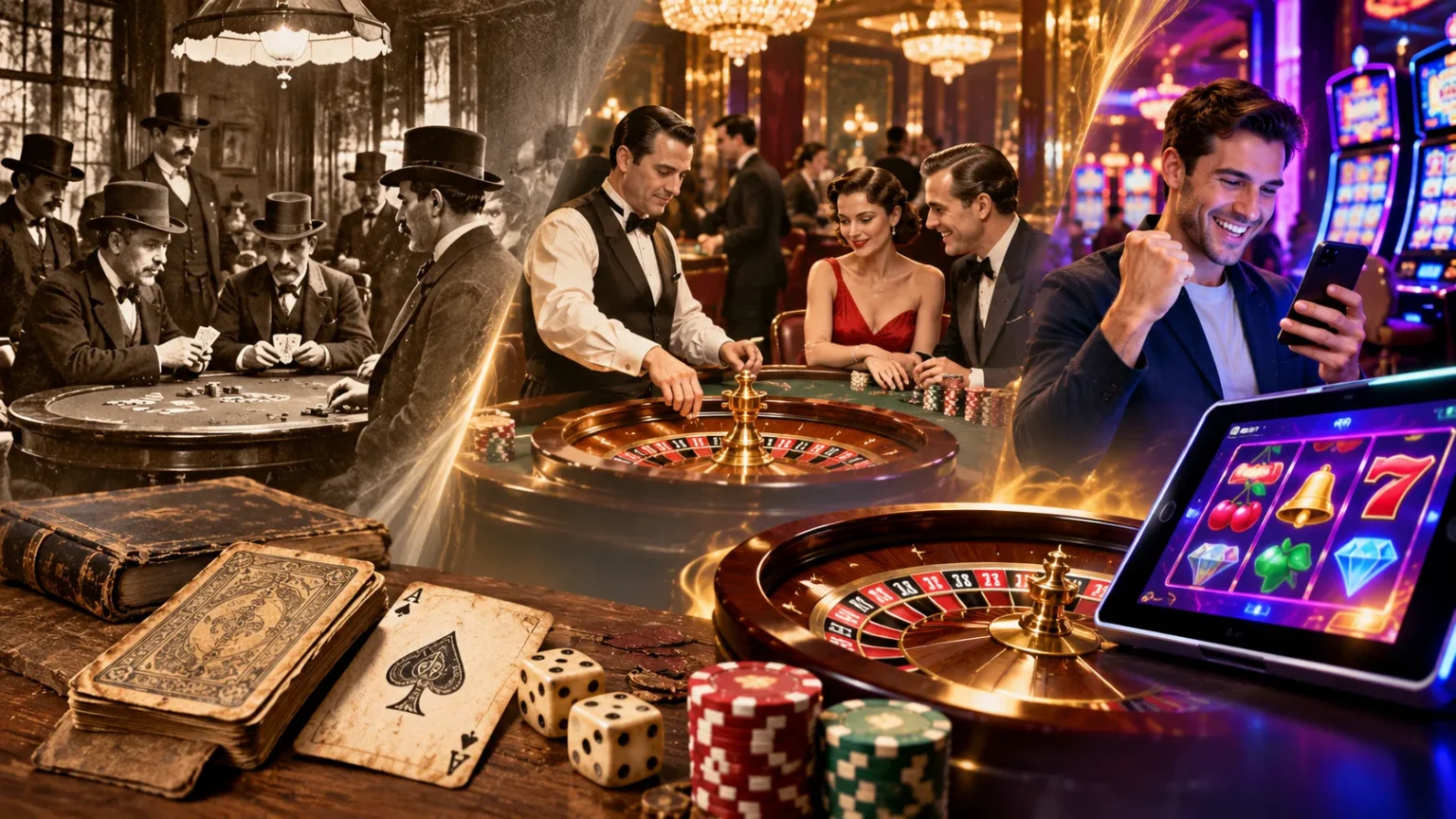
Historic casino games are traditional games of chance and skill that developed over centuries before becoming part of modern gambling establishments. Many originated from ancient recreational activities involving dice, cards, or numbered objects. Their evolution reflects changes in culture, technology, mathematics, and entertainment, showing how familiar games developed from simple activities into organized commercial systems.
Popular examples of historic casino games include roulette, blackjack, baccarat, poker, craps, and slot machines. Each has a different background, with some emerging from European card traditions and others developing through American gaming culture. Although their modern versions are widely recognized, their original rules, equipment, and social settings were often significantly different.
Understanding the history of casino games provides insight into how entertainment practices change over time. Early gambling activities influenced the development of dedicated gaming venues, mechanical devices, and eventually digital software. This article explores the origins of traditional casino games, important historical developments, and the technological changes that shaped the modern industry.
Ancient Origins of Gambling and Games of Chance
The history of casino games begins long before modern casinos existed. Archaeological discoveries show that ancient societies used dice and other objects for recreational activities involving uncertain outcomes. Different civilizations developed their own forms of games, demonstrating that chance-based entertainment existed across multiple regions and historical periods.
Ancient dice were sometimes made from bones, stone, or other locally available materials. People used them in games with different cultural meanings and rules, although many specific practices remain poorly documented. These early objects demonstrate the long history of random outcomes in recreation without establishing one single civilization as the inventor of gambling.
Early games also involved social traditions, religious beliefs, and debates about acceptable behavior. Authorities in different societies sometimes restricted gambling because of concerns about financial losses and public order. These historical tensions continued as games of chance moved into organized commercial settings and eventually became associated with dedicated gambling establishments.
The Rise of Early European Casino Establishments
Organized gambling venues began developing in Europe as card games and other recreational activities became increasingly popular. Wealthy social groups sometimes gathered in private rooms or clubs to participate in different forms of entertainment. Over time, certain establishments introduced more structured environments where gambling activities operated under defined rules and supervision.
An important historical example is the Ridotto, established in Venice in 1638 during the Venetian Republic. It is frequently described as one of the earliest government-authorized public gambling houses. The establishment provided a regulated setting for selected games, although participation remained closely associated with people who could afford the surrounding social activities.
European gambling houses gradually influenced the development of modern casino culture through their architecture, formal procedures, and organized operations. Different countries adopted their own rules and restrictions, so casinos did not develop uniformly. Nevertheless, these early establishments helped create the recognizable concept of a dedicated venue where several traditional games operated together.
The History of Roulette and Its European Development
Roulette is one of the most recognizable historic casino games, known for its numbered wheel and distinctive table layout. Its precise origins remain uncertain because several earlier European games involved spinning wheels or related mechanisms. Historians generally associate the development of recognizable modern roulette with France during the eighteenth century.
During the nineteenth century, roulette became established in European gambling venues, including those associated with fashionable resort destinations. Variations of the wheel emerged with different arrangements of numbered compartments. The development of single-zero and double-zero versions eventually produced the two widely recognized formats commonly described as European and American roulette.
Roulette’s appearance changed as manufacturing techniques improved and gambling establishments introduced more standardized equipment. The traditional mechanical wheel later influenced electronic and computer-generated versions. Despite these technological changes, the circular wheel and numbered layout remain central visual features connecting modern representations with the game’s historical development.
How Blackjack Developed From Early Card Games
Blackjack developed from older European card games that involved counting card values and comparing hands. The French game known as vingt-et-un, meaning twenty-one, is commonly associated with its history. Related card traditions also existed elsewhere in Europe, making the development of modern blackjack a gradual process rather than a single invention.
Versions of twenty-one became known in different countries before developing more standardized rules in American gambling establishments. The term blackjack eventually became closely associated with the modern game during the twentieth century. Particular rules and procedures evolved as operators established consistent methods for managing cards, decisions, and game outcomes.
Modern blackjack retains its historical connection to numbered card values and the central importance of twenty-one. However, contemporary versions often include procedures that were not identical to those found in earlier European games. Its history illustrates how traditional card activities can change through regional customs, commercial organization, and increasingly standardized gaming regulations.
Baccarat and Its Historical Connection to European Society
Baccarat is a historic card game associated with European gambling traditions and nineteenth-century social entertainment. Its early origins are debated, with different accounts linking its development to Italy and France. The available historical evidence does not establish one universally accepted inventor or precise date for the game’s creation.
During the nineteenth century, baccarat became connected with fashionable European gambling settings and private social gatherings. Different versions developed, including forms associated with French gambling establishments. These variations could involve different procedures and roles, reflecting the influence of local customs and the changing organization of commercial gaming.
Baccarat later became familiar in casinos outside Europe, particularly as international gambling destinations expanded. Modern versions often present a more standardized experience than some historical forms. Its continuing recognition demonstrates how card games associated with particular social groups can become internationally known while retaining elements of their earlier identity.
The Evolution of Poker From Social Games to Casinos
Poker has a complicated history influenced by several earlier card games and cultural traditions. Historians commonly connect its development to nineteenth-century North America, where different card games circulated through social gatherings and traveling communities. Its precise ancestry remains debated because earlier European and American games shared certain features.
During the nineteenth century, poker spread through parts of the United States, including communities connected by rivers and transportation routes. Different regional variations appeared as people adapted familiar card-playing traditions. Over time, larger card decks, new formats, and more standardized conventions contributed to the development of recognizable modern poker.
Poker eventually became associated with organized casinos, tournaments, television broadcasts, and digital media. These developments changed how audiences encountered the game and how its history was presented. Although modern poker includes competitive and commercial settings, its historical development also reflects broader traditions of social card playing and recreational gatherings.
Craps and the Development of Modern Dice Games
Craps developed from older dice games, particularly the English game known as hazard. Historical accounts connect its development to European traditions that later influenced gambling activities in North America. As these games spread between regions, their names, procedures, and cultural associations changed through local adaptations.
During the nineteenth century, American versions of the game became increasingly recognizable. New Orleans is frequently associated with its early American development, although historians continue examining different accounts of the transition. The modern casino version eventually adopted more standardized equipment and procedures than those used in many informal historical settings.
Craps became a familiar part of American casino culture during the twentieth century. Its distinctive table arrangement and dice equipment made it visually recognizable in films and other media. The game’s development illustrates how a traditional activity involving simple objects could become incorporated into elaborate commercial settings with formal operational procedures.
The Invention of Mechanical Slot Machines
Mechanical slot machines introduced a major technological change to casino entertainment during the late nineteenth century. Earlier gambling activities generally depended on physical cards, dice, wheels, or human supervision. Coin-operated machines created a different experience by combining mechanical components, visible symbols, and automated systems inside a self-contained device.
Charles Fey, a mechanic working in San Francisco, is widely associated with the development of the influential three-reel Liberty Bell slot machine during the 1890s. Historical sources differ on the precise development date of particular versions. Nevertheless, Fey’s machines helped establish a recognizable mechanical format that influenced later generations of gaming devices.
Early slot machines relied on physical reels, springs, gears, and other mechanical components. Their external designs also became increasingly elaborate as manufacturers developed recognizable cabinets and symbols. These devices marked an important transition from traditional table-based gambling toward automated machines that could operate through mechanical processes rather than continuous human supervision.
How Casinos Changed During the Twentieth Century
The twentieth century brought major changes to casino entertainment as gambling establishments became more closely associated with tourism and large commercial destinations. Changes in transportation, hospitality, and government regulation influenced where casinos developed. The industry increasingly combined gaming areas with hotels, restaurants, performances, and other leisure facilities.
Las Vegas became particularly influential after Nevada legalized most forms of gambling in 1931. Over the following decades, the city developed a recognizable identity connected with casino resorts and entertainment. Its growth helped shape public images of gambling through architecture, advertising, popular culture, and large hospitality developments.
During the same period, casinos adopted more standardized procedures, improved equipment, and increasingly sophisticated operational systems. Traditional card and table games remained recognizable, but their surrounding environments changed considerably. The casino became not only a place containing games but also part of a broader entertainment and tourism industry.
From Mechanical Slots to Electronic Gaming Machines
Electronic technology transformed casino machines during the second half of the twentieth century. Manufacturers gradually introduced electrical components, electronic controls, and video displays into devices that had previously depended primarily on mechanical systems. These innovations changed how machines processed information and presented visual results.
Video-based machines became an important development because physical reels were no longer required for every graphical representation. Electronic displays could present different visual arrangements while computer systems handled the underlying calculations. This transition also created new technical responsibilities involving software reliability, randomization, and the accurate recording of operational information.
Electronic gaming machines eventually incorporated more advanced graphics, sound systems, and integrated monitoring technologies. Their development reflects broader changes in computer hardware and digital entertainment. However, increased technological complexity also introduced concerns about transparency, software testing, and whether users could clearly understand the financial risks associated with automated gambling products.
The Arrival of Online Casino Games
The growth of the internet during the 1990s created new possibilities for delivering digital gambling software remotely. Traditional casino games began appearing in computer-based formats, replacing physical tables and mechanical equipment with graphical interfaces. This development represented a major change in distribution, allowing digital systems to present familiar game concepts without requiring the same physical environment.
Early online casino technology faced limitations involving connection speeds, graphics quality, and payment security. As internet infrastructure and software capabilities improved, digital interfaces became more sophisticated. Developers introduced better visual representations, server-based processing, and security systems intended to support remote communication and operational recordkeeping.
Online gambling also raised difficult questions concerning jurisdiction, consumer protection, age restrictions, and financial security. Different governments introduced different approaches to licensing and regulation, creating significant differences between markets. The transition from physical establishments to online platforms therefore involved legal and social developments alongside changes in computer technology.
Modern Casino Games and Digital Technology
Modern casino software combines technologies such as graphical rendering, random number generation, database systems, and secure network communication. These components support digital representations of games that originally existed as physical activities. The interface may resemble a traditional table or machine, while the processing takes place through software rather than the original mechanical equipment.
Mobile computing also influenced how gambling-related applications were designed and distributed. Smaller screens encouraged responsive interfaces, simplified navigation, and different approaches to displaying information. At the same time, developers had to address challenges involving device compatibility, accessibility, security, and communication between mobile applications and backend systems.
Technology continues to influence the appearance and operation of casino games, but modern presentation does not eliminate underlying financial risks. Software fairness, transparency, and regulatory compliance remain important considerations. Understanding these developments helps distinguish the historical evolution of gaming technology from promotional claims about newer digital products.
How Casino Regulations Changed Over Time
Gambling regulation has varied considerably across cultures and historical periods. Some governments permitted specific activities under official supervision, while others introduced broad restrictions or prohibited certain forms of gambling. These differences reflected changing attitudes toward public order, taxation, morality, and the financial consequences associated with games of chance.
As commercial casino industries expanded, many jurisdictions developed formal licensing systems and operational requirements. These could involve financial reporting, equipment testing, internal controls, and restrictions on access. The exact standards differed between locations, creating regulatory environments shaped by local laws and political decisions.
Modern consumer protection discussions increasingly address advertising, transparency, financial harm, and access to appropriate support services. Digital platforms have introduced additional challenges because online activity can cross geographical boundaries. The history of gambling regulation therefore reflects a continuing effort to balance commercial activity with public health, consumer rights, and legal oversight.
The Cultural Influence of Historic Casino Games
Historic casino games have influenced literature, films, music, and popular images of entertainment venues. Roulette wheels, playing cards, and mechanical slot machines have become recognizable symbols even among people unfamiliar with their specific rules. These visual elements often represent themes involving chance, uncertainty, wealth, or dramatic decision-making.
Cinema and television have contributed to the public image of casinos through elaborate settings and fictional stories. However, entertainment portrayals often emphasize excitement and exceptional outcomes rather than the ordinary financial risks of gambling. Understanding this distinction is important when interpreting historical images and modern representations of gambling culture.
Casino history also reveals connections between technological innovation, tourism, social customs, and government policy. Many games changed as they moved between countries and entered new commercial environments. Studying these developments provides broader cultural insight without treating gambling participation as necessary for appreciating the historical significance of the games.
Conclusion
Historic casino games developed through centuries of social traditions, cultural exchanges, and technological changes. Early dice and card activities influenced recognizable games such as roulette, blackjack, baccarat, poker, and craps. Their development was gradual, with different societies contributing rules, equipment, and organizational practices that shaped their modern forms.
The introduction of mechanical slot machines, electronic gaming devices, and internet-based software changed how casino games were presented and operated. These innovations transformed the industry from primarily physical establishments into a combination of traditional venues and digital systems. At the same time, changing regulations introduced new requirements involving security, transparency, and consumer protection.
Understanding the history of casino games offers an informative perspective on the relationship between entertainment, technology, and society. Their evolution demonstrates how familiar activities can change while retaining recognizable features from earlier periods. Today, studying this history also highlights the importance of financial awareness, accurate information, and responsible regulation in gambling-related environments.
Frequently Asked Questions (FAQs)
What are the oldest casino games in history?
Dice games and early card games are among the oldest forms of gambling-related entertainment. Modern casino games such as roulette, blackjack, and baccarat developed later through European traditions and changing commercial practices.
When did modern casinos first appear?
The Ridotto in Venice, established in 1638, is frequently recognized as one of the earliest government-authorized public gambling houses. Modern casino establishments developed gradually through later European and American history.
Who invented the first slot machine?
Charles Fey is widely associated with developing the influential three-reel Liberty Bell slot machine in San Francisco during the 1890s. His mechanical designs helped establish the recognizable format used by later machines.
How have casino games changed over time?
Casino games evolved from physical dice, cards, and wheels into mechanical machines, electronic systems, and digital software. Changes in technology, regulations, and cultural preferences influenced their appearance and operation.
Why is the history of casino games important?
Casino game history reveals how social customs, technology, mathematics, and government regulations developed together. It also provides context for understanding modern consumer protection issues and the cultural influence of gambling.