

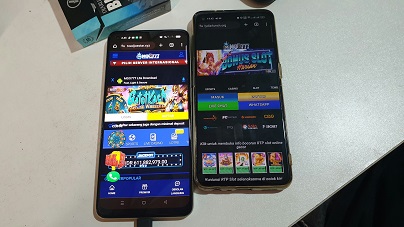
Introduction to Mobile Gaming in Online Casinos
The advent of mobile technology has significantly transformed various industries, and the online casino sector is no exception. In recent years, mobile gaming has seen exponential growth, driven by the widespread adoption of smartphones and tablets. In fact, a report from the UK Gambling Commission indicates that nearly 50% of all online gambling revenues now stem from mobile gaming platforms, underscoring the importance of mobile applications in this domain. Mobile apps specifically tailored for online casinos are integral to the gaming experience, providing players with convenient access to their favorite games anytime and anywhere. The increasing use of mobile apps can be attributed to their enhanced user interface, speed of play, and the availability of unique features that are often not present in traditional desktop versions. Moreover, a 2023 study revealed that mobile users spend an average of 30% more time engaged in gaming when using dedicated applications compared to accessing games via a browser.
The impact of mobile applications extends beyond just user engagement; it also affects operator strategies. Online casinos have increasingly recognized the need to optimize their platforms for mobile use, leading to a surge in investment for mobile app development. Notably, the implementation of features such as live dealer games and interactive elements has attracted a broader audience, catering not only to seasoned players but also to newcomers seeking immersive gaming experiences.
As both players and operators continue to adapt to these technological advancements, it is evident that mobile gaming will play a critical role in shaping the future of online casinos. This dynamic landscape presents both challenges and opportunities, making it an essential area of focus for anyone involved in online gaming.
The Convenience of Mobile Apps
Mobile casino applications have revolutionized the online gaming landscape by providing unparalleled convenience for users. Unlike traditional casinos or even browser-based platforms, these applications allow players to access a vast array of casino games anytime and anywhere. Whether one is commuting, waiting in line, or relaxing at home, the mobile casino experience remains accessible at their fingertips, fostering greater engagement and prolonged gaming sessions.
Downloading and using mobile casino apps presents minimal obstacles for users. Most applications are readily available on various app stores, ensuring users can quickly find and install the platforms they prefer. With just a few taps, players can initiate their gaming journey, bypassing the bottlenecks often associated with desktop installations or lengthy registration processes. Modern mobile applications are designed to be user-friendly and intuitive, which enhances the overall gaming experience.
An additional layer of convenience is provided by features such as quick deposits and withdrawals integrated into mobile casino apps. Players now have the ability to fund their accounts swiftly with various payment methods—ranging from credit cards to e-wallets. This streamlines the process, allowing users to dive into their favorite games without cumbersome delays. Moreover, many mobile apps offer one-click withdrawal options, ensuring that players can access their winnings conveniently and without hassle.
The integration of push notifications further elevates the convenience of mobile casino apps by keeping players informed about promotions, bonuses, and game updates. These notifications help to engage users and encourage returning visits, significantly enhancing user retention rates. Overall, the convenience offered by mobile apps has made online casino gaming more accessible, enjoyable, and hassle-free, allowing players to embrace gaming in a manner that best fits their lifestyle.
Game Variety and Quality
The emergence of mobile applications has significantly transformed the online casino gaming landscape, particularly concerning game variety and quality. These apps have expanded the range of options available to players, establishing a bridge between convenience and entertainment. With mobile gaming becoming increasingly popular, casino operators have invested heavily in developing an extensive library of games that can be accessed easily via smartphones and tablets.
Unlike traditional online casinos, which may have limitations related to screen size and gameplay accessibility, mobile apps provide a seamless experience across various devices. Gamers can now enjoy a broad spectrum of games ranging from classic slots to intricate table games and immersive live dealer experiences. The advent of cutting-edge technology, such as HTML5, allows for high-quality graphics and smooth gameplay, making for a more engaging experience. These advancements ensure that mobile gaming delivers a level of performance comparable to, or even surpassing, that of desktop platforms.
Moreover, mobile applications often feature unique adaptations of popular casino games tailored for touch screen functionalities. This includes simplified interfaces and optimized controls that enhance user experience, allowing for intuitive gameplay that attracts both new and seasoned players. Players now have the luxury of gaming on-the-go, with the ability to switch between various games without losing any progression. Such flexibility is one of the key factors contributing to the extensive variety of games available on mobile apps.
As technology continues to evolve, mobile casino gaming is expected to witness further enhancements in aspects such as augmented reality (AR) and virtual reality (VR), which will open up new avenues for game development and user engagement. This trajectory indicates that players can anticipate a more diverse range of high-quality gaming options on their mobile devices in the forthcoming years.
User Experience and Interface Design
User experience (UX) and interface design play a crucial role in the success of mobile casino apps. The gaming landscape is highly competitive, with numerous options available to players. Hence, mobile casino app developers must prioritize intuitive design and seamless navigation to attract and retain users.
An intuitive user interface allows players to engage with the app effortlessly. When the navigation is straightforward, users can quickly locate their favorite games, promotions, and account settings without unnecessary confusion. This ease of use significantly enhances player satisfaction and encourages prolonged engagement with the app. As players navigate through various game categories and features, their overall experience is shaped by the efficiency and clarity of the interface.
Visually appealing graphics are another vital component of UX design in mobile casino apps. High-quality visuals and animations create an immersive environment that can capture the players’ attention. When the graphics are well-designed, players are more likely to feel connected to the game, enhancing their enjoyment and motivation to continue playing. A pleasing aesthetic not only attracts new users but also fosters brand loyalty among existing players.
Moreover, the integration of responsive design is essential for mobile casino apps. The app must adapt seamlessly to different screen sizes and orientations, accommodating a variety of devices without compromising the user experience. This flexibility ensures that players can enjoy their gaming experience on smartphones and tablets alike, thereby expanding the potential user base.
In conclusion, prioritizing user experience and interface design in mobile casino apps leads to increased player satisfaction, retention, and ultimately higher revenue for developers. An intuitive, attractive, and responsive app creates a winning combination for both players and operators in the online gaming industry.
Security and Fair Play in Mobile Gaming
In the realm of mobile casino gaming, security and fair play are of paramount importance. Players need to feel confident that their personal and financial information is well-protected while engaging with mobile applications. One of the primary security measures employed by reputable mobile casino apps is advanced encryption technology. This process ensures that sensitive data, such as banking details and personal identifiers, are converted into coded information, preventing unauthorized access.
Furthermore, secure payment methods enhance the safety of transactions made within mobile gaming platforms. Mobile casinos commonly offer various payment options, including credit cards, e-wallets, and cryptocurrencies, each equipped with its own set of protective features. By allowing players to choose a payment method they trust, operators can significantly elevate player confidence and foster a sense of security.
Responsible gaming practices are another vital aspect of ensuring fair play in mobile gaming. Leading operators incorporate features that allow players to implement spending limits, self-exclusions, and session reminders. These responsible gaming measures not only promote a safe gambling environment but also encourage players to engage with the games in a balanced manner. Such steps build trust between players and operators, demonstrating a commitment to player welfare and ethical gaming practices.
Additionally, third-party auditing companies often validate the random number generators (RNGs) employed in mobile casino games. This verification process guarantees that games offer fair odds and outcomes, further ensuring that players can enjoy a fair gaming experience. By adhering to these standards and protocols, mobile casino apps can reassure their users that they prioritize security and integrity in their gaming operations.
Bonuses and Promotions for Mobile App Users
The integration of mobile applications in the online casino gaming sector has revolutionized how operators engage with their players. One of the most significant advantages of mobile apps is the ability to offer tailored bonuses and promotions that cater specifically to mobile users. These incentives not only enhance the gaming experience but also help online casinos attract and retain players more effectively.
Common promotions designed for mobile app users often include no-deposit bonuses, which allow players to explore the casino’s offerings without any financial commitment. Such promotions can significantly increase user engagement, as they provide an opportunity for players to try new games and features directly from their smartphones. Furthermore, mobile-exclusive bonuses, such as higher chip rewards or enhanced match bonuses on deposits made through the app, serve as additional motivators for players to choose the mobile platform over traditional desktop access.
In addition to these promotions, many online casinos implement loyalty programs that reward mobile app users for their continued patronage. These programs often include points for every bet placed, which can be redeemed for cash, bonuses, or other perks, fostering long-term loyalty and interaction with the app. Moreover, time-sensitive promotions, such as flash giveaways or bonus codes, are frequently utilized to encourage immediate play, enhancing both excitement and urgency for players using mobile platforms. By leveraging the accessibility of mobile technology, online casinos can create unique promotional experiences that not only attract new customers but also keep existing players engaged and entertained.
Ultimately, the focus on providing exclusive bonuses and promotions for mobile app users has become a vital part of online casinos’ marketing strategies. This approach not only enhances player enjoyment but also solidifies the casinos’ position in an increasingly competitive digital landscape.
The Role of Technology in Enhancing Mobile Gaming Experience
The evolution of mobile gaming in the online casino sector has been profoundly influenced by emerging technologies such as virtual reality (VR), augmented reality (AR), and artificial intelligence (AI). These technologies are not only enhancing user experiences but also reshaping how players interact with online casinos.
Virtual reality offers an immersive gaming environment that allows players to feel as though they are in a physical casino. By donning a VR headset, users can engage with a dynamic 3D landscape where they can participate in various games, interact with dealers and other players, and explore gaming spaces that mimic real-world casinos. This level of immersion can lead to increased player satisfaction and retention, as the experience transcends the limitations of traditional mobile platforms.
Augmented reality, on the other hand, overlays digital elements onto the real world, facilitating a unique blend of gaming and reality. This technology allows players to engage with games directly in their environment, enhancing the aesthetic and functional aspects of mobile gaming. For instance, players can use their mobile devices to view card games or slot machines integrated into their surroundings, offering a novel and engaging gaming experience.
Artificial intelligence plays a significant role in personalizing the gaming experiences of players. By analyzing user data and gaming behavior, AI can offer tailored game suggestions, optimize customer service, and even create smarter gaming algorithms that accommodate player preferences. As players navigate through online casinos, AI-driven features can predict their needs and enhance their overall gaming experience, leading to increased engagement and loyalty.
In conclusion, the integration of VR, AR, and AI technologies is set to revolutionize mobile gaming in the online casino industry. By creating more immersive, interactive, and personalized experiences, these technologies are not just enhancing the current mobile gaming landscape but are also laying the groundwork for the future of online casinos.
Challenges and Limitations of Mobile Casino Apps
Mobile casino apps have revolutionized the gaming industry, providing convenience and access to a wide range of games. However, they are not without their inherent challenges and limitations. One significant issue is compatibility. Different devices and operating systems, such as iOS and Android, can lead to inconsistencies in performance and user experience. Some games may not function optimally on all devices due to varying screen sizes, processing power, or software requirements. Consequently, users may find themselves limited in their gaming choices based on the hardware they possess.
Additionally, device limitations pose a challenge for developers aiming to create high-quality gaming experiences. As mobile phones set the pace of technological advancement, the need for more intricate graphics and features increases. However, not all devices can support these advancements, potentially alienating a segment of the user base. This disparity may hinder the growth potential of mobile casino apps, as it’s essential to balance rich graphics and seamless gameplay with the realities of older devices.
Regulatory hurdles are another significant challenge faced by mobile casino apps. The online gambling industry is heavily regulated, with laws varying significantly across different jurisdictions. Compliance with local laws and regulations can complicate app development and distribution, leading to delays or restricted availability in certain regions. Furthermore, issues related to payment processing and data security can arise, impacting the overall user experience. As the market for mobile casino apps continues to grow, addressing these challenges is vital for both developers and operators to ensure a satisfying gaming experience for users.
The Future of Mobile Apps in Online Casino Gaming
The online casino industry has witnessed significant transformation owing to the proliferation of mobile applications. As technology advances and user preferences evolve, it is clear that mobile app development within this sector is poised for continuous growth. The integration of cutting-edge technology will likely redefine how players engage with mobile gaming platforms.
One notable trend shaping the future of mobile apps in online casino gaming is the increasing demand for enhanced user experiences. Players are increasingly seeking more immersive and interactive environments, leading to the incorporation of augmented reality (AR) and virtual reality (VR) technologies. These innovations are expected to transform traditional gaming, providing an unparalleled level of engagement that can attract new players while retaining existing ones.
Furthermore, the rise of artificial intelligence (AI) offers promising opportunities for mobile application development in this domain. AI can be utilized to personalize gaming experiences by analyzing player behavior, preferences, and patterns. This personalized approach is anticipated to lead to higher levels of player satisfaction, with tailored recommendations and promotions enhancing user engagement and loyalty.
Additionally, the growing emphasis on mobile payment solutions will further impact the future of online casino gaming. As players opt for convenience, mobile wallets and cryptocurrency options are becoming increasingly prominent. The integration of these payment methods into mobile apps will streamline transaction processes, facilitating easier deposits and withdrawals, which may encourage players to participate more regularly.
Overall, the trajectory of mobile apps in online casino gaming appears promising. With advancements in technology and a focus on improving user experiences, the industry is likely to witness further innovations that cater to the evolving needs and preferences of players. The continuous development of mobile applications will therefore play a critical role in shaping the future landscape of online casino gaming.