

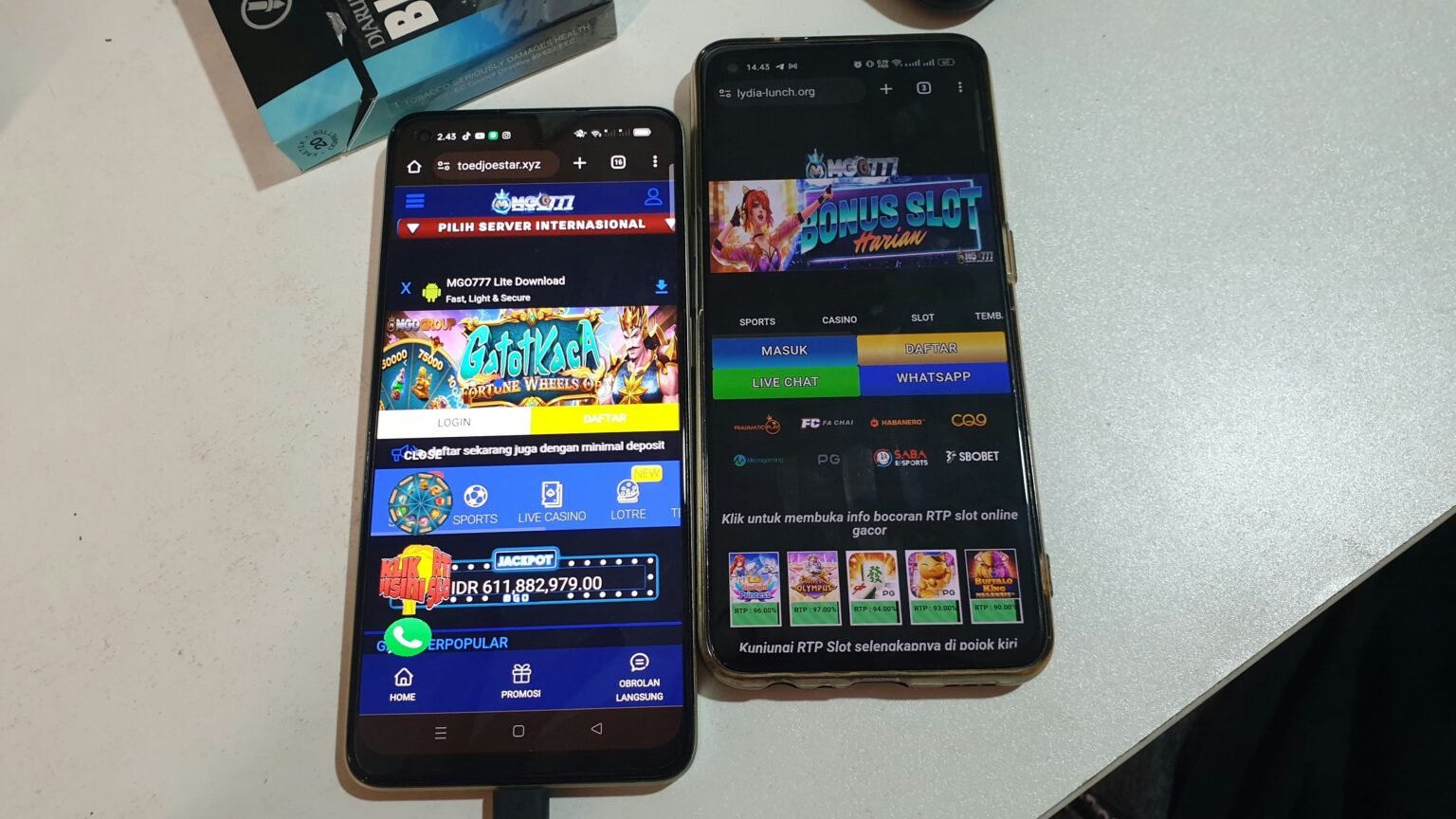
Introduction to Gambling Platforms
The landscape of gambling has undergone a significant transformation with the advent of the internet, leading to the emergence of online gambling platforms. Online gambling encompasses a wide range of activities, including casino games, sports betting, poker, and more, all available at the fingertips of users, thanks to advancements in technology.
Historically, the concept of gambling has been around for centuries, with traditional betting shops and physical casinos. However, the late 20th century marked a pivotal shift towards digital platforms as the internet proliferated. The first online casinos appeared in the mid-1990s, providing a glimpse into the future of gambling. Over time, these platforms evolved, driven by technological innovations, increased internet accessibility, and changing consumer preferences.
As the digital era advanced, so too did the means of accessing gambling platforms. Initially, desktop computers served as the primary medium for online gambling, allowing players to enjoy their favorite games from the comfort of their homes. Desktop gambling offered enhanced graphics and immersive gameplay that attracted many users. However, the introduction of smartphones brought about a new wave of mobile gambling. This shift has allowed users to gamble anytime and anywhere, leading to a surge in popularity among mobile platforms. Today, mobile gambling accounts for a substantial portion of online gaming, reflecting the convenience and accessibility it provides.
The significance of technology in this evolution cannot be understated. New developments in mobile applications, payment processing, and security measures have contributed to a more reliable and enjoyable gambling experience. As online gambling platforms continue to adapt, both mobile and desktop environments are increasingly catering to user preferences, shaping the future of the gaming industry.
User Experience: Mobile vs Desktop
The evolution of technology has significantly altered the landscape of online gaming, particularly in terms of user experience between mobile and desktop platforms. Understanding these differences is essential for users as they navigate their gambling preferences.
On mobile devices, the user interface (UI) is typically designed for touch input, enabling gestures such as swiping and tapping. This design philosophy emphasizes simplicity, ensuring quick access to essential features. Mobile gambling applications and websites often utilize larger buttons and streamlined navigation menus to facilitate an intuitive experience. In contrast, desktop platforms often allow for more complex UIs that can accommodate a greater number of visual elements and detailed graphics. Users may find themselves overwhelmed by the information presented, but the extensive screen real estate offers a rich experience for those who appreciate visual detail.
Another critical factor in user experience is the context in which gambling takes place. Mobile gambling caters to users’ need for flexibility and convenience, enabling them to gamble on-the-go, whether they are commuting, waiting in line, or enjoying leisure time outdoors. This adaptive nature fosters a unique experience, where quick gameplay and immediate engagement are prioritized. On the other hand, desktop gambling typically occurs in a more controlled environment, such as a home office or gaming den, allowing users to invest more time and focus on in-depth experiences, such as strategizing for table games or engaging in multiple game types simultaneously.
Ultimately, each platform provides distinct advantages tailored to different user contexts and preferences. While mobile gambling presents a user-friendly, efficient experience suited for multitasking and spontaneous play, desktop gaming offers comprehensive functionalities for users who favor more immersive experiences. As technology continues to advance, the user experience of online gaming will undoubtedly evolve to better accommodate the diverse needs of gamblers.
Accessibility and Convenience
In the rapidly evolving landscape of online gaming, mobile gambling has emerged as a frontrunner, primarily due to its superior accessibility and convenience compared to traditional desktop gambling platforms. One of the key advantages of mobile gambling is the proliferation of dedicated applications that allow users to engage in various betting activities at their fingertips. These apps are designed for an optimized user experience, offering smooth navigation and engaging interfaces that cater to the needs of the modern gambler.
Additionally, many online casinos offer instant play options, enabling users to access games directly through web browsers without the need for downloads. This aspect of mobile gambling significantly reduces barriers to entry, as players can easily jump into their favorite games faster than they would on a desktop computer. Given that mobile devices are inherently portable, users can gamble anywhere and anytime, whether they are commuting, on their lunch break, or relaxing at a cafe. This increased flexibility provides a level of convenience that desktop gambling simply cannot match.
Another factor contributing to the appeal of mobile gaming is the continuous advancements in mobile technology. Modern smartphones are equipped with high-resolution screens, powerful processors, and reliable internet connectivity, which enhance the gaming experience by allowing smoother gameplay and impressive graphics. As a result, both casual players and serious gamblers can enjoy a wide range of gaming options, from slots to live dealer games, without compromise.
Overall, mobile gambling’s greater accessibility and convenience cater to a diverse audience, reshaping how users engage with online gaming platforms. By eliminating the constraints of traditional gambling, mobile applications attract a broader demographic, including those who may have never considered gaming otherwise. This shift highlights the significant impact that mobile technology has had on the gambling industry and underscores its potential for continued growth in the coming years.
Game Variety and Quality of Experience
The evolution of online gaming has ushered in a new era where game variety and quality of experience significantly differ between mobile and desktop platforms. Each platform boasts its unique advantages, with desktop gambling traditionally offering a more expansive library of games and superior graphics quality.
Desktop platforms have long been recognized for hosting a broad spectrum of games, ranging from classic card games to modern video slots and intricate live dealer experiences. With a larger screen and enhanced processing capabilities, desktop gambling provides players with immersive graphics and detailed animations that elevate the gaming experience. Additionally, desktops often support more complex game features, including advanced bonus rounds and high-definition audiovisual presentations that captivate the player’s attention.
On the other hand, mobile gambling has rapidly gained popularity due to its convenience and accessibility. Mobile platforms now host a variety of games comparable to those on desktops, allowing players to enjoy a diverse selection of options at their fingertips. However, some mobile games may have simplified graphics or truncated versions of their desktop counterparts due to hardware limitations. Yet, many developers actively optimize mobile games, striving to provide a seamless experience that is both engaging and visually appealing.
Moreover, mobile gambling often incorporates unique features designed for on-the-go play, such as touch-based controls and tailored user interfaces that cater specifically to mobile users. These innovations can enhance the overall user experience by making gameplay more intuitive and responsive. In this evolving landscape, players are encouraged to explore both platforms, as the differences in game variety and quality of experience can significantly influence their online gaming choices.
Payment Options and Security
The evolution of online gaming has led to a significant diversification of payment options available for both mobile and desktop gambling. Players can now choose from a variety of methods, including credit cards, debit cards, e-wallets, bank transfers, and even cryptocurrencies. Mobile gambling platforms tend to emphasize the convenience of payment transactions, allowing players to pay via mobile wallets like PayPal, Venmo, or Apple Pay. These services streamline the deposit process, enabling users to fund their gaming accounts swiftly, which enhances the overall user experience.
On the other hand, desktop gambling often includes more traditional payment options, such as bank transfers and credit cards. While these methods may not offer the same level of instantaneity as mobile wallets, they are still widely utilized due to their reliability. The choice between mobile and desktop payment methods primarily hinges on user preference, with many players opting for the method that they perceive as the most secure and convenient.
Security remains a paramount concern in online gambling, regardless of the platform. Both mobile and desktop gambling sites deploy robust security measures to protect users’ financial information. This includes the implementation of encryption technologies, such as Secure Socket Layer (SSL), which safeguards personal data during transactions. Furthermore, reputable gambling operators often verify their platforms through rigorous audits and acquire licenses from authoritative gambling commissions.
Ultimately, the trust users place in these platforms significantly influences their choice of payment methods. Mobile gambling’s rise in popularity corresponds to an increased focus on user-friendly and secure payment options that cater specifically to the demands of a fast-paced lifestyle. This dynamic illustrates how convenience and security are inextricably linked in the world of online gambling, shaping the preferences and trust of users across both mobile and desktop environments.
Social Interaction and Community Features
The evolution of technology has significantly influenced online gambling, particularly in terms of social interaction and community features. While both mobile and desktop platforms offer unique advantages for users, the ways in which they facilitate social connections vary greatly. Understanding these differences is essential for optimizing the gambling experience on each platform.
On desktop gambling sites, players often engage with established communities through chat rooms, forums, and group tournaments. These elements foster a sense of camaraderie among users, encouraging interaction beyond the gameplay itself. Live dealer options, frequently accessible on desktop platforms, enable players to interact with real dealers and other participants, simulating the atmosphere of a traditional casino. This feature enhances the immersive experience, allowing users to enjoy not only the thrill of gambling but also the social interaction that comes from shared experiences.
In contrast, mobile gambling prioritizes convenience and accessibility, attracting players who prefer gaming on the go. Many mobile apps include built-in social features, such as the ability to share achievements on social media or compete in leaderboards with friends. This shift towards social gaming on mobile platforms caters to the desires of a more dynamic and interconnected audience. Additionally, players can leverage instant messaging and social media integrations to foster connections, share strategies, or invite friends to join them in gameplay.
While mobile gambling platforms may not provide the same level of immersive community interaction as their desktop counterparts, they compensate by offering accessibility and real-time engagement. Gamblers can participate in live events, tournaments, and promotions easily from their smartphones, maintaining a sense of community wherever they may be. Overall, the degree of social interaction varies between mobile and desktop gambling, each delivering distinctive benefits to players and enriching their overall gaming experience.
Trends and Innovations in Mobile and Desktop Gambling
As technology continues to advance, the landscape of online gambling is evolving rapidly, with mobile gambling and desktop gambling seeing significant trends and innovations. One of the most noteworthy developments is the rise of virtual reality (VR) and augmented reality (AR) gaming experiences. These technologies offer users immersive environments that closely mimic real-life casinos, enhancing the overall gaming experience. Players can engage with their surroundings and interact with other participants in a more realistic setting, providing a unique alternative to traditional gaming methods.
Furthermore, the integration of live betting has transformed how users participate in gambling activities. Live betting allows players to place bets in real-time during ongoing events, enhancing engagement and excitement. This feature is particularly popular among sports bettors who want to make informed decisions based on the game’s unfolding dynamics. The ability to capitalize on changing odds and scenarios has made live betting an appealing aspect of both mobile and desktop platforms.
Another trend shaped by innovation is the optimization of user interfaces, making gambling platforms more accessible and aesthetically pleasing. Developers are focusing on creating seamless experiences for mobile users, ensuring that functions such as gameplay, payment options, and customer support are easily navigable. This attention to user experience has led to the growth of mobile gambling apps that provide instant access to a wide range of games and betting options.
Lastly, the implementation of advanced security measures, including encryption technologies and biometric authentication, has become increasingly important. With the rise of mobile gambling, operators are investing heavily in safeguarding users’ data and ensuring secure transactions. As regulations tighten across various regions, maintaining the integrity of the gaming experience through technological advancements is now paramount.
Regulatory Challenges and Considerations
The landscape of online gambling is constantly evolving, presenting distinct regulatory challenges for both mobile and desktop platforms. As the popularity of gambling via mobile devices surges, different jurisdictions have implemented a variety of regulations aimed at minimizing risks associated with gambling, such as addiction, fraud, and underage participation. These regulations often differ by region, requiring providers to adapt their operations in compliance with local laws.
Mobile gambling applications may face stricter guidelines compared to desktop platforms, primarily due to the accessibility of smartphones and the need for robust user identification processes. Mobile operators must ensure that players can verify their age and identity effectively, thereby implementing advanced security measures such as biometric scanning and secure payment gateways. Each regulatory body sets specific requirements that mobile gambling apps must meet to operate legally within their jurisdiction.
Desktop gambling platforms similarly navigate a complex web of regulations but often have more established compliance frameworks due to their longer presence in the gaming industry. They might be subject to rigorous licensing processes that include detailed audits and adherence to fair play standards. Moreover, as many players transition from desktop to mobile devices, providers are being compelled to harmonize compliance measures across both platforms to retain their customer base and provide seamless gaming experiences.
Providers must also address responsible gambling initiatives, ensuring that both mobile and desktop platforms offer features that support player safety. This includes options for self-exclusion, stake limits, and real-time monitoring of gambling patterns. By adhering to these regulations, operators not only protect their users but also reinforce their reputation and establish trust within the gaming community, which is essential in a competitive market.
Conclusion: The Future of Gambling
As we explore the evolving landscape of online gaming, it becomes apparent that both mobile gambling and desktop gambling are set to coexist, adapting and transforming as technology advances. The rapid growth of mobile technology has reshaped user engagement, providing unparalleled access to gambling platforms anytime and anywhere, thus catering to the convenience-oriented modern player. The surge in mobile applications has led to an increase in the number of users opting for on-the-go gambling experiences, highlighting a shifting trend towards mobile-first interactions.
On the other hand, desktop gambling maintains its relevance, particularly among enthusiasts who appreciate the richer and more extensive gaming options available. Desktop platforms often offer superior graphics, larger screens, and an immersive atmosphere, which can enhance the overall gaming experience. For many players, the familiarity and broader range of betting options continue to make desktops an attractive choice.
The future of gambling will likely witness a hybrid approach where players seamlessly transition between mobile and desktop platforms. Innovations such as virtual reality (VR) and augmented reality (AR) could further bridge the gap, providing both mobile and desktop users with an enriched gaming environment. Moreover, the integration of cryptocurrencies and blockchain technology may introduce new dimensions to online gambling, influencing user preferences and behaviors.
Ultimately, the dominance of mobile versus desktop gambling will be determined by evolving consumer expectations, technological advancements, and regulatory changes. As the industry adapts to these factors, it is crucial for gambling operators to remain agile, delivering improved user experiences on both fronts to meet the diverse needs of their clientele. The interplay between these platforms will shape the future of gambling, paving the way for an inclusive and dynamic online gaming ecosystem.