

High stakes gaming refers to those casino games where the monetary bets placed by players are significantly larger than average. Typically, a game might be classified as high stakes if the minimum bet exceeds a substantial amount, often starting at several hundred dollars. Such games are usually found in exclusive areas of a casino, often dedicated to high rollers who enjoy the thrill of betting large sums of money. The environment surrounding high stakes gaming is often marked by a sense of exclusivity and luxury, attracting a clientele that seeks not only the excitement of the game but also the prestige associated with high-level gambling.
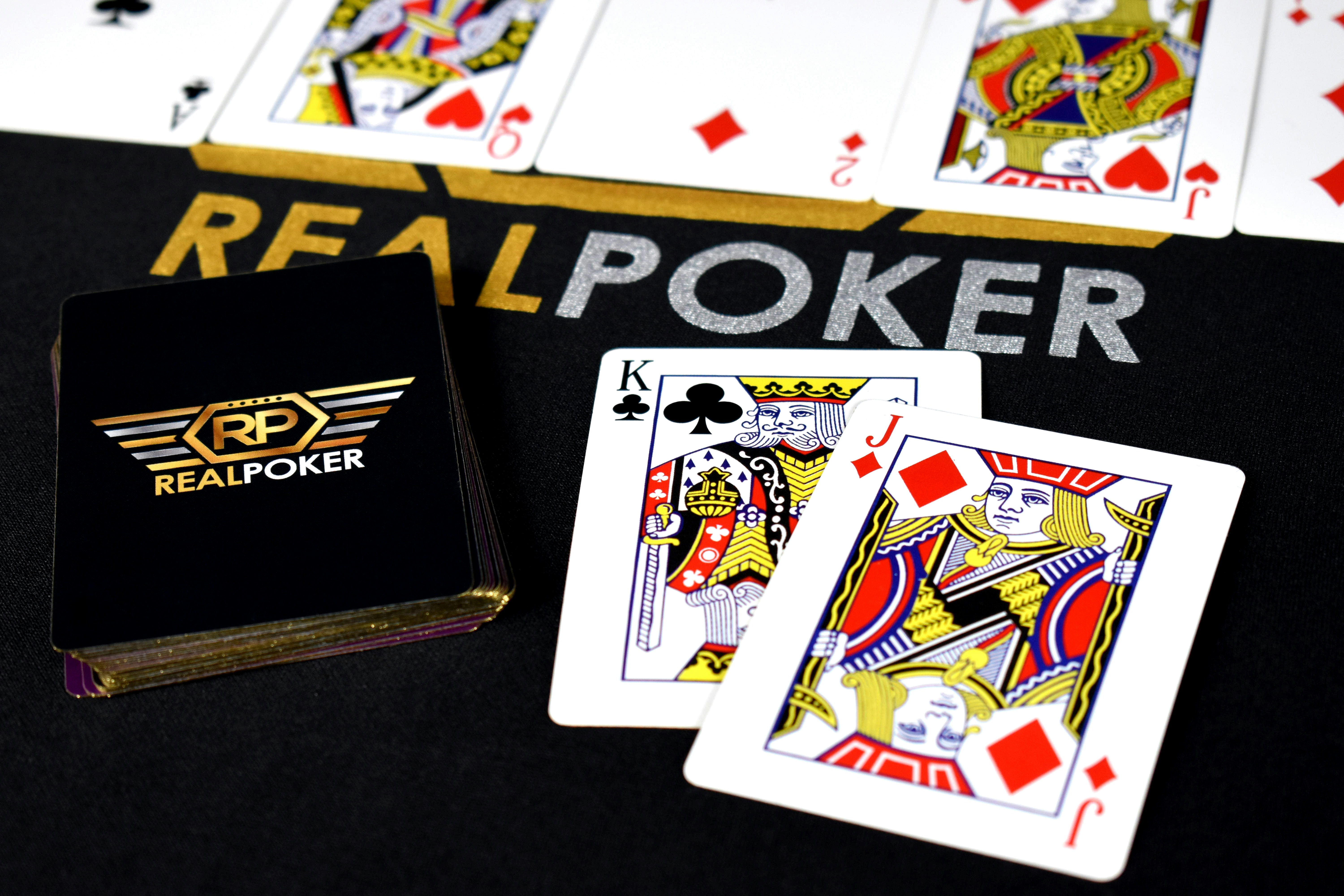
Common games associated with high stakes gaming include poker, blackjack, baccarat, and sometimes roulette. In these scenarios, the stakes can reach thousands or even millions of dollars per individual round, creating an exhilarating atmosphere where fortunes can change hands in an instant. Poker tournaments featuring high buy-ins are a prime example of this phenomenon, where players compete for grand prizes that can sometimes approach millions of dollars.
The appeal of high stakes gaming can be traced to several factors. First and foremost, the opportunity for substantial financial gain is a significant draw for many players. The adrenaline rush accompanied by high stakes bets can be intoxicating, as gamblers chase the thrill of both winning and losing large amounts of money. Furthermore, the camaraderie and rivalry among players in these high-stakes environments can also enhance the overall gaming experience. The combination of risk and reward creates a unique allure for those willing to engage in such endeavors, making high stakes gaming a notable aspect of the broader gambling landscape.
The Psychology of Risk in Gambling
Understanding the psychology behind risk-taking in gambling is crucial for comprehending high-stakes casino gaming. High-stakes gamblers often possess a unique mindset that drives their willingness to wager substantial sums of money. This mindset can be influenced by various psychological factors, including thrill-seeking behavior and the pursuit of adrenaline. For many, the excitement associated with risking large amounts of money can be intoxicating, providing a rush that few other activities can replicate.
Different personalities approach risk in gambling in varied ways. Some individuals may thrive on the unpredictability and uncertainty, viewing each bet as an opportunity for both financial gain and personal validation. Conversely, others may experience anxiety or fear of loss that can lead to detrimental decision-making processes. Cognitive biases also play a significant role in shaping gambling behavior. For instance, the illusion of control can lead gamblers to overestimate their ability to influence outcomes, making them more receptive to taking risks than they would otherwise be.
Emotions, particularly hope and fear, significantly impact decision-making during high-stakes gaming. The emotional rollercoaster of winning and losing can create a cycle wherein players chase losses in hopes of recouping their funds, often leading to further risk-taking. Additionally, confirmation bias may cause gamblers to focus on their previous wins while downplaying losses, reinforcing the belief that they are on a winning streak when they are not.
Ultimately, the psychological underpinnings of risk in gambling reveal a complex interplay of personality traits, emotional responses, and cognitive distortions. Understanding these factors is essential for anyone looking to navigate the exhilarating yet perilous world of high-stakes casino gaming.
Potential Rewards of High Stakes Gaming
High stakes gaming offers a range of potential rewards that can be both enticing and transformative. One of the most significant benefits is the prospect of substantial monetary gains. In high-stakes games, a single wager can result in winnings that could change an individual’s financial landscape overnight. Many high rollers are drawn to these gaming environments because a significant win can provide lifelong security and the means to lead a lavish lifestyle.
In addition to financial rewards, high-stakes gambling often brings with it a degree of prestige and social status. Players who engage in these high-risk games are frequently regarded with admiration and respect within the gambling community. The ability to invest large sums of money into games demonstrates not only financial capability but also a certain level of confidence and skill. This prestige can manifest in numerous ways, from exclusive access to elite gambling events to invitations to luxurious parties and gatherings, where connections with like-minded individuals can flourish.
Furthermore, success in high-stakes gaming often opens doors to greater opportunities beyond the casino floor. Experienced gamblers may find themselves approached by sponsors, promotional opportunities, or even invitations to collaborate on gaming strategies and products. Personal anecdotes fill the gambling world, showcasing ordinary individuals who, after a significant win, transition into a lifestyle filled with opportunities that they had never previously imagined. Stories of multi-million dollar jackpots serve to underline the allure of high-stakes gambling and illuminate the remarkable potential rewards that accompany such risk-taking.
Ultimately, the combination of financial gains, social prestige, and new opportunities encapsulates the potential rewards of high-stakes gaming, making it a thrilling pursuit for many. However, it is essential for players to recognize that with great rewards come significant risks which must be navigated carefully.
Risks and Consequences of High Stakes Gambling
High-stakes gambling presents significant risks and potential consequences that can impact not only the individual gambler but also their families and communities. One of the primary concerns associated with gambling at high financial levels is the significant financial risk involved. The potential for substantial losses can result in severe economic strain, leading to debt accumulation, bankruptcy, and even financial ruin. Such outcomes can create a vicious cycle of desperation, where individuals may gamble in hopes of recouping losses, only to find themselves in deeper financial trouble.
Moreover, the nature of high-stakes gambling can contribute to the development of gambling addiction. The thrill of betting large sums can create a powerful emotional high, which may lead players to chase that exhilaration repeatedly. However, this can also lead to a detrimental compulsion where the gambler feels unable to stop, despite recognizing the negative consequences. The behaviors associated with problem gambling can wreak havoc on personal relationships, leading to estrangement from family and friends, as trust is eroded and obligations are neglected.
The emotional toll of high-stakes gambling is another critical aspect to consider. Players can experience a range of negative feelings, including anxiety, depression, and guilt. These emotions can be exacerbated during losing streaks, potentially leading to self-destructive behavior or a sense of hopelessness. Furthermore, the strain on relationships can lead to isolation, as both the gambler and their loved ones grapple with the fallout of reckless gambling behavior.
To mitigate these risks, engaging in responsible gambling practices is essential. Setting strict budgets, recognizing the signs of problem gambling, and seeking support when needed are fundamental steps individuals can take to protect themselves. By promoting awareness of the risks involved in high-stakes gambling, society can encourage healthier gaming habits and reduce the potentially devastating consequences associated with excessive gambling.