

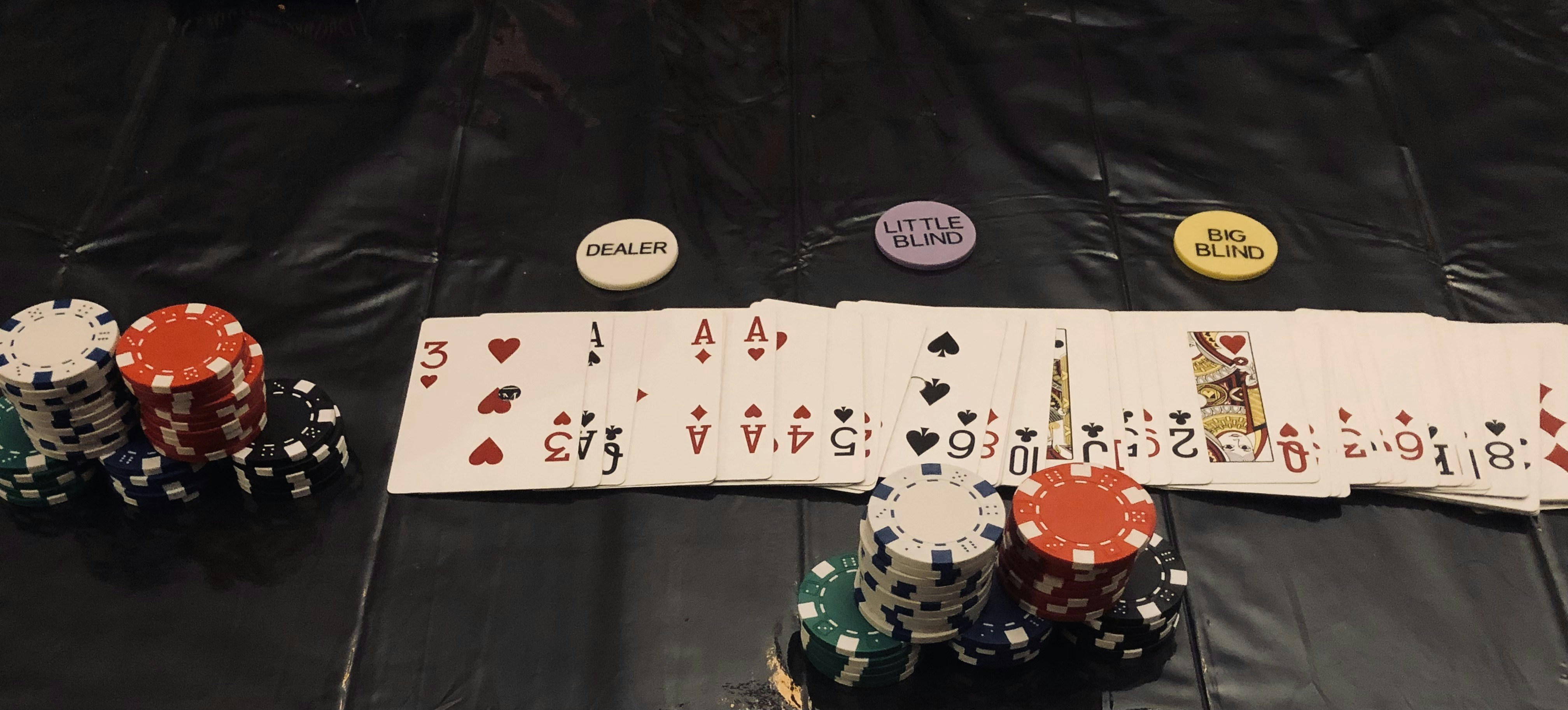
Poker fundamentals is a popular card game that combines elements of skill, strategy, and psychology, making it one of the most engaging games in the casino gaming scene. The basic mechanics involve players competing to create the best possible hand or to convince their opponents to fold. Knowing the rules and structure is essential for anyone looking to jump into the world of poker.
There are several popular variations of poker, each with its unique set of rules and strategies. The most well-known type is Texas Hold’em, where players receive two private cards and must use five community cards to form their best hand. In this version, players must understand the importance of position, betting patterns, and how to calculate pot odds. Another popular variant is Omaha, which begins similarly to Texas Hold’em but provides each player with four cards, requiring a more complex strategy due to the increased possibilities of strong hands. Meanwhile, Seven Card Stud differs significantly as it does not involve community cards; instead, players are dealt seven cards, three face down and four face up, with the goal of creating the best five-card hand.
Understanding poker terminology is equally important. Terms like ‘blinds’ refer to forced bets made by players to initiate the betting round. The ‘pot’ is the total amount of money staked in a hand, while ‘raises’ and ‘calls’ define actions taken by players either to increase their bets or match an existing bet. Familiarity with these terms helps players to navigate the game effectively and enhances communication at the table.
By familiarizing yourself with the fundamental rules, game variations, and terminology, you can build a solid foundation for your poker playing skills. This knowledge will ultimately encourage better decision-making during gameplay, significantly improving your chances of success in the exciting world of poker.
Developing a Winning Strategy
For new players entering the world of Poker fundamentals, understanding the fundamental strategies is essential to improving their gameplay. A solid foundation begins with grasping hand rankings; knowing which hands are stronger than others allows players to make informed decisions at critical moments. The hierarchy of hands ranges from high card, to pairs, to straights, and finally to royal flushes, with the latter being the most formidable. Recognizing these rankings can significantly enhance a player’s ability to assess the strength of their current hand in relation to potential opponents’ hands.
Another important aspect of poker strategy revolves around the concept of table position. Players seated in early positions must proceed with caution since they act before most other players. Conversely, those in later positions can gain valuable insights based on the actions of their opponents, allowing for more strategic betting. Understanding one’s position can lead to better decision-making, such as when to raise, call, or fold.
Knowing when to fold is as crucial as knowing when to bet. New players often err by staying in the game despite weak hands, fueled by a desire to see more community cards. It is imperative to develop the skill of folding when holding underwhelming hands, as this is a vital component of bankroll management. This brings us to another key strategy: managing chips wisely. Players should set limits for themselves, ensuring they operate within a predefined bankroll to avoid significant losses. Keeping track of wins and losses, and adhering to a disciplined budget can prolong a player’s involvement in the game.
By understanding hand rankings, table position, the art of folding, and effective bankroll management, new players can significantly bolster their poker experience. These winning strategies foster better decision-making, ultimately enhancing the likelihood of success at the tables.
Reading Your Opponents
In the world of poker, one of the most valuable skills a player can develop is the ability to read their opponents effectively. Recognizing betting patterns, understanding body language, and identifying potential bluffs are essential elements of this skill. New players can greatly enhance their gameplay by learning to interpret the actions of their opponents and using that information to inform their own decisions.
Observing betting patterns can provide pivotal insights into the strength of an opponent’s hand. For instance, if a player frequently opts for aggressive bets when holding strong cards, new players should take note of this behavior and adjust their strategies accordingly. Conversely, if an opponent tends to fold under slight pressure, it may indicate a weaker hand. Being attentive to these signals can give players a significant advantage in determining how best to respond during a hand.
Body language often conveys more than verbal communication at the Poker fundamentals table. Subtle cues such as fidgeting, avoiding eye contact, or sudden changes in posture can suggest whether a player is bluffing or genuinely confident in their hand. Understanding these nonverbal signals is imperative; however, it’s equally important for players to maintain their own composure in order to preserve their strategy. A strong poker face can prevent opponents from gathering useful information about one’s own hand.
Ultimately, the dynamic nature of poker makes the ability to read opponents both challenging and rewarding. By remaining observant and adaptable, new players can gain insights that enhance their decision-making processes. Furthermore, by staying unpredictable in their own actions, they can protect their strategies while maximizing their chances of success at the table.
Common Mistakes and How to Avoid Them
Entering the world of Poker fundamentals can be an exhilarating experience for new players, but it is also fraught with potential pitfalls. One of the most common mistakes made by novices is playing too many hands. While it might seem tempting to engage with every opportunity, the reality is that not every hand warrants participation. It is crucial to adopt a selective approach, focusing on strong starting hands and discarding marginal situations. By doing so, players can conserve their chip stack and reduce the risk of early elimination.
Another frequent error is neglecting positional awareness. In poker, the position at which a player acts during a round can significantly influence their strategy. Understanding whether one is in an early, middle, or late position leads to better decision-making. New players should familiarize themselves with positional dynamics and adjust their hand selection accordingly, playing tighter in early positions and broadening their range as they move toward the later positions.
Moreover, failing to pay attention to opponents’ behaviors is a critical oversight. Observing betting patterns, bluffing tendencies, and general demeanor allows players to make informed decisions. New players should practice active observation, identifying players who might be overly aggressive or those who fold too often. This knowledge provides valuable insights into opponents’ potential hand strengths and weaknesses.
Finally, one of the most detrimental actions in Poker fundamentals is chasing losses. New players may feel compelled to recover their chips by increasing their bets after losing a hand. This strategy can lead to further losses and can quickly deplete a bankroll. It is essential to remain disciplined, recognize when it’s time to step back, and avoid the emotional trap of trying to win back lost chips. Establishing a clear strategy and setting limits are vital steps to maintaining a positive gaming experience.