

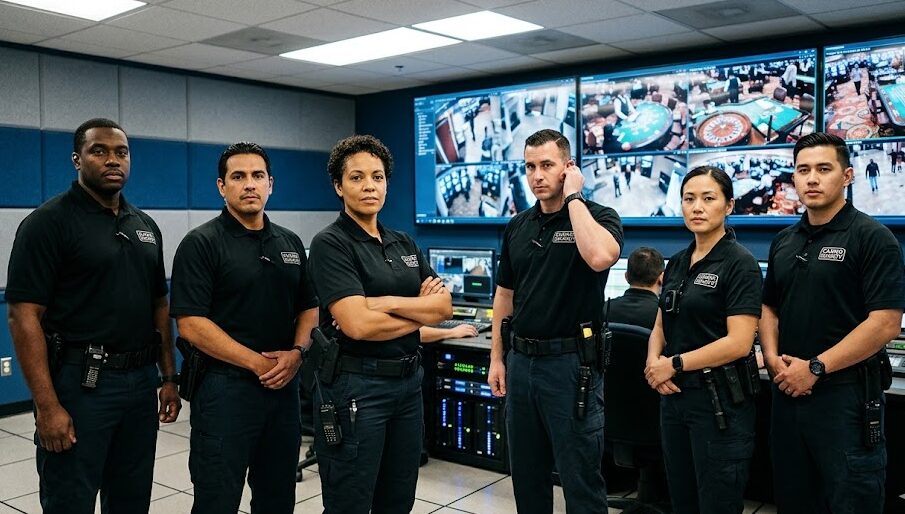
Step into a bustling casino, and you’ll quickly notice the vibrant atmosphere filled with excitement. The clinking of chips, the spinning of roulette wheels, and the cheers from winning players create an electric environment. But behind this lively façade lies a highly organized machine the casino security teams. These dedicated professionals work tirelessly to ensure that every game runs smoothly and safely. Have you ever wondered why they monitor every table so closely? It’s not just about preventing theft or cheating; it’s about maintaining trust and integrity in an industry where stakes are high. Let’s dive deeper into the world of casino security teams and uncover their essential role in creating a secure gambling experience for everyone involved.
The Importance of Monitoring Tables
Monitoring tables in a casino is crucial for maintaining a fair and secure gaming environment. Each table can be a hotspot for various activities, from standard gameplay to potential cheating. Trained eyes are essential here. Security teams watch players’ behaviors closely, ensuring that no one deviates from the rules. This vigilance helps protect both the house and honest players. With large sums of money at stake, even minor irregularities can escalate quickly. Surveillance teams act as deterrents against dishonest practices like collusion or card counting. Additionally, monitoring provides real-time insights into customer interactions and overall game flow. This data assists casinos in enhancing player experience while safeguarding their assets. Security personnel also collaborate with dealers to address any suspicious activity promptly, creating an integrated approach to casino safety that’s effective and efficient.
Types of Surveillance Used
Casino security teams employ a variety of surveillance methods to ensure the safety and integrity of the gaming environment. High-definition cameras are strategically placed throughout the casino floor. These cameras capture real-time footage, allowing security personnel to monitor every table. In addition to traditional video surveillance, many casinos utilize advanced facial recognition technology. This helps identify known cheaters or individuals banned from entering the premises. Some establishments also implement drone technology for outdoor monitoring, particularly in large resort-style casinos. Drones provide an aerial view that can spot suspicious activity not easily seen from ground level. Moreover, integrated software systems allow for seamless communication between various surveillance feeds. This enables security teams to respond quickly in case of any irregularities at specific tables or areas within the casino.
How Surveillance Teams Work with Other Security Measures
Surveillance teams play a crucial role in the broader ecosystem of casino security. They don’t operate in isolation; instead, they collaborate closely with various other security measures to create a comprehensive safety net. For instance, surveillance cameras are strategically placed to monitor high-traffic areas and gaming tables alike. This visual data is often analyzed in real-time by trained personnel. When suspicious activity is detected, swift communication ensues with on-ground security staff. In addition to cameras, casinos employ advanced software that helps track player behavior patterns. These insights enable teams to identify potential cheaters or problematic patrons before any significant issues arise. Furthermore, regular coordination meetings between surveillance and floor staff ensure everyone stays updated on emerging threats or trends. By fostering this synergy, casinos enhance their ability to maintain a secure environment for all guests while protecting their assets effectively.
Common Issues Faced by Casino Security Teams
Casino security teams encounter a range of challenges daily. One significant issue is the sheer volume of patrons. With thousands entering and exiting, keeping track can be overwhelming. Fraudulent activities also pose a serious threat. Cheating at card tables or manipulating slot machines requires vigilant monitoring to detect early signs before they escalate. Then there’s the potential for altercations among players. High-stakes games can lead to heated disputes that need immediate intervention to maintain order and ensure safety. Additionally, technological failures present obstacles too. Surveillance systems must operate flawlessly; any downtime could result in missed incidents or delayed responses. Training personnel effectively remains crucial yet challenging. Security staff must stay updated on evolving tactics used by criminals while managing stress in high-pressure situations. Each day brings new hurdles that require quick thinking and adaptability from casino security teams.
Training and Qualifications for Casino Security Personnel
Casino security personnel undergo rigorous training to ensure they are prepared for any situation. This includes understanding casino operations, gaming regulations, and legal compliance. Many casinos require their security staff to complete specialized courses in surveillance techniques and emergency response protocols. These courses help develop skills essential for monitoring activities on the floor effectively. Additionally, a background in criminal justice or law enforcement can be advantageous. Some candidates even come from military backgrounds, bringing valuable discipline and strategic thinking. Continuous education is vital as technology evolves. Security teams must stay updated on the latest surveillance equipment and software tools used within the industry. Soft skills are equally important; effective communication and conflict resolution abilities enable personnel to manage situations calmly and professionally. The combination of technical knowledge with interpersonal skills creates a well-rounded team capable of maintaining a safe environment for everyone involved.
Conclusion:
Casino security teams play a vital role in maintaining the integrity and safety of gaming establishments. Their diligent monitoring of every table not only deters cheating but also ensures a fair experience for all patrons. By utilizing advanced surveillance technology, these teams can closely observe activities from various angles, swiftly identifying any suspicious behavior. The collaboration between surveillance teams and other security measures creates a robust framework to address potential issues. This synergy enhances their ability to respond effectively to incidents as they arise. The challenges faced by casino security are multifaceted, requiring constant vigilance and adaptability. Personnel training is essential in preparing staff for this high-stakes environment. A well-trained team understands the nuances of human behavior and knows how to handle complex situations with professionalism. The commitment of casino security teams goes beyond mere observation; it fosters an atmosphere where players feel safe and valued while enjoying their favorite games. Through continuous improvement and innovation, these professionals remain at the forefront of ensuring that casinos operate smoothly while safeguarding both customers and assets alike. The dedication shown by casino security teams directly contributes to the overall success of gaming establishments by enhancing trustworthiness within this dynamic industry.